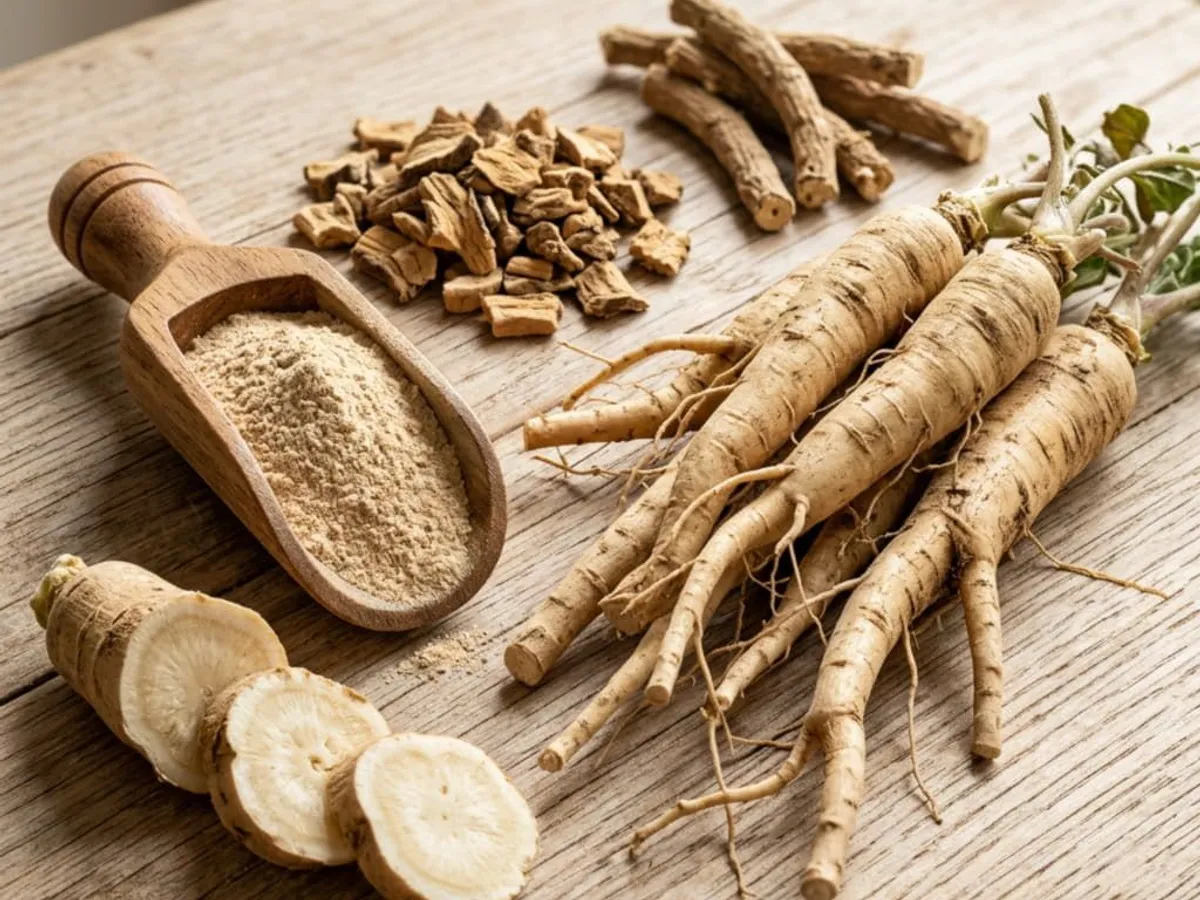
In short: Ashwagandha (Withania somnifera, also called Indian ginseng or asgandh) is a root used in Ayurveda for thousands of years. It is known as an adaptogen that helps the body cope with daily stress. People take it as churna with warm milk, as tablets or as capsules, usually once or twice a day. Pregnant women and people on regular medicines should ask a doctor first.
Key facts
- Also called
- Asgandh, Indian ginseng, winter cherry
- Botanical name
- Withania somnifera
- Part used
- Mainly the root
- Common forms
- Churna (powder), tablets, capsules, with milk
- Ayurvedic view
- Rasayana and balya herb; warming, calms vata and kapha
- Usually taken
- Once or twice a day, often with warm milk at night
What is ashwagandha?
Ashwagandha is a small woody shrub whose root is one of the most respected herbs in Ayurveda. Its botanical name is Withania somnifera, in Hindi it is often called asgandh, and in English people know it as Indian ginseng or winter cherry.
The Sanskrit name means «smell of a horse». The fresh root has an earthy, horse-like smell, and tradition also links the name to the strength and vigour of a horse. The plant grows wild in the dry regions of Rajasthan, Madhya Pradesh and Punjab, and is farmed widely today.
In most Indian homes ashwagandha arrives as a pale brown powder, as tablets or inside capsules. Your grandmother may have stirred a spoon of it into warm milk with a little jaggery for anyone who looked tired after a long season of work.
How does Ayurveda see ashwagandha?
Ayurveda places ashwagandha among the rasayana herbs, the group used for rejuvenation and healthy ageing. It is also called balya, meaning a herb that builds strength, and medhya, a herb that supports the mind.
Its nature is warming and grounding. In the language of the three doshas, it is used to calm vata, the airy and restless energy behind worry, dryness and broken sleep, and to balance kapha. People with a lot of pitta, the hot fiery energy, are usually advised to take it with cool milk or ghee.
This mix of nourishing and calming qualities is why one herb appears in formulas for men, for women, for older people and for busy students alike.
What are the main ashwagandha benefits?
The main ashwagandha benefits people look for are a calmer response to stress, steadier energy through the day and deeper rest at night. Ayurveda also values it for strength, stamina and graceful ageing.
Researchers have studied ashwagandha with interest for stress, sleep and physical performance, and it has become one of the best-known Indian herbs around the world. Here is what Indian families most often take it for:
- Calm and balance on demanding days at office, home or college
- Steady energy without the jittery feel of extra cups of chai
- Restful sleep, especially when the mind keeps running at night
- Strength and stamina for men and women who work hard physically
- Support for healthy ageing as a classic rasayana

Ashwagandha for men: what is it taken for?
For men, ashwagandha is traditionally taken for stamina, strength and vitality. Ayurveda counts it among the vajikarana herbs, the branch devoted to male vigour and confidence.
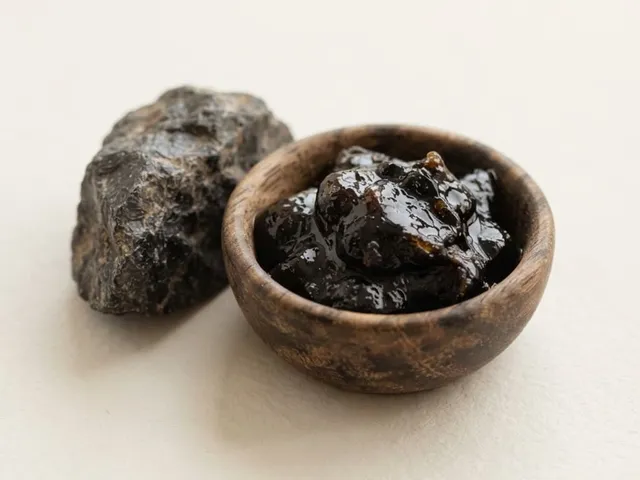
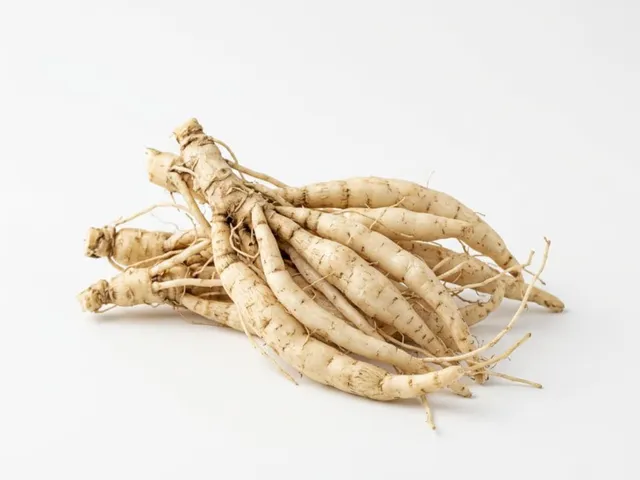
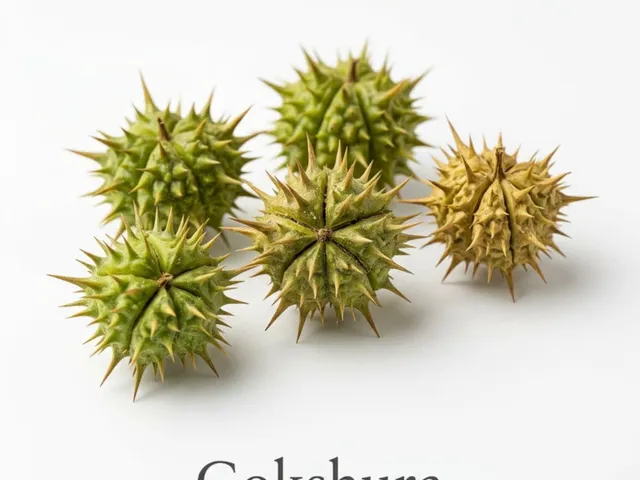
Many men start it during a phase of long office hours, a tiring commute or heavy gym training, when energy dips by evening. It is often paired with other classic men's herbs such as shilajit, gokshura, kaunch beej and safed musli, which is exactly the combination you find in several Indian formulas for men.
Because it also calms the mind, men often say ashwagandha helps them feel more settled and present, both at work and at home.
Is ashwagandha good for women?
Yes, ashwagandha is widely used by women in Ayurveda, mainly for calm, energy and restful sleep. It is a warming, nourishing herb, so it suits women who feel drained, anxious or tired by the end of the day.
Women juggling a job, children, elderly parents and festival preparations often turn to it for a sense of balance. During the years around menopause, many women take it in the evening with warm milk for comfort and better rest.
Ashwagandha is also frequently combined with shatavari, the classic women's herb of Ayurveda. One important point: pregnant and breastfeeding women should not take it unless their doctor agrees.
Can ashwagandha help with sleep?
Ashwagandha supports restful sleep, and that is one of the most common reasons people take it. Its species name somnifera itself means «sleep-bringing» in Latin.
It is not a sleeping pill and does not knock you out. Instead, it is traditionally used to settle a restless mind, so falling asleep feels easier and waking up feels fresher. The classic way is half a teaspoon of churna in a cup of warm milk with a pinch of nutmeg or cardamom, about an hour before bed.
Simple habits make it work better: switching off the phone, a light dinner and going to bed at the same time every night.
Ashwagandha powder vs tablet: which should you choose?
Choose powder if you enjoy the traditional way with milk, and tablets or capsules if you want convenience and no bitter taste. Both forms carry the same root; the difference lies in how easy it is to take every day.
Ashwagandha churna is the classic form. It has a strong earthy, slightly bitter taste that milk, honey or jaggery soften well. Tablets and capsules suit office-goers and travellers, since the dose is pre-measured and fits in a pocket.
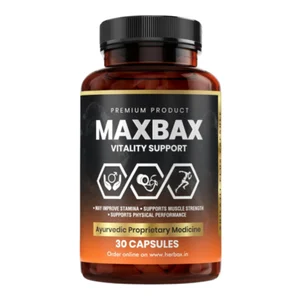
Capsule formulas often combine ashwagandha with other herbs for a specific need, for example men's stamina or calm and heart care. Read the label to see which herbs are inside and how many capsules to take.
What is the best time to take ashwagandha?
The best time to take ashwagandha depends on why you take it: at night with warm milk for sleep and calm, or in the morning after breakfast for energy and stamina. Many people split it into two smaller doses.
A common traditional amount of churna is about half to one teaspoon a day with warm milk or water. For tablets and capsules, follow the label or your Ayurvedic practitioner. Take it after food if your stomach is sensitive.
Give it time. Ayurveda sees rasayana herbs as slow builders, so most people take ashwagandha daily for several weeks before judging how they feel.
How does ashwagandha fit into Indian daily life?
Ashwagandha fits easily into an Indian day because it pairs so well with what is already on the table: warm milk, ghee, honey and jaggery. A haldi-and-ashwagandha milk before bed has become a favourite in many homes, especially in the cold months.
In winter, when Punjab farmhouses light the angithi and families eat sarson ka saag with makki ki roti, warming herbs like ashwagandha feel natural. In the hot months, many people switch to a smaller amount taken with cool milk.
Office-goers keep a strip of capsules in their bag, while older parents often prefer the churna stirred into their evening glass of milk. Whatever the form, the habit works best when it sits next to something you already do every day.
How do you choose a good ashwagandha product?
Look for a clear label that names ashwagandha (Withania somnifera) and tells you which part of the plant is used, ideally the root. A good pack also lists the other herbs, the dose and the expiry date.
Pick the form you will actually stick with. If you dislike the taste of powder, a capsule formula is better than a churna jar that stays closed in the cupboard. If you want help for one goal, such as men's vitality or calm and heart care, a ready blend saves you from mixing several herbs at home.
Buy from a seller who answers your questions, offers cash on delivery and lets you confirm the order on a call.
A note on safety
Ashwagandha is a herbal supplement, not a medicine, and it does not replace treatment prescribed by your doctor. Pregnant or breastfeeding women and children should not take it without medical advice. Speak to your doctor first if you take medicines for thyroid, diabetes, blood pressure, sleep or anxiety, if you have an autoimmune or liver condition, or if surgery is planned. Do not stop any prescribed medicine on your own.
Written by the Herbal360 editorial team — independent information about herbal and Ayurvedic supplements in India.