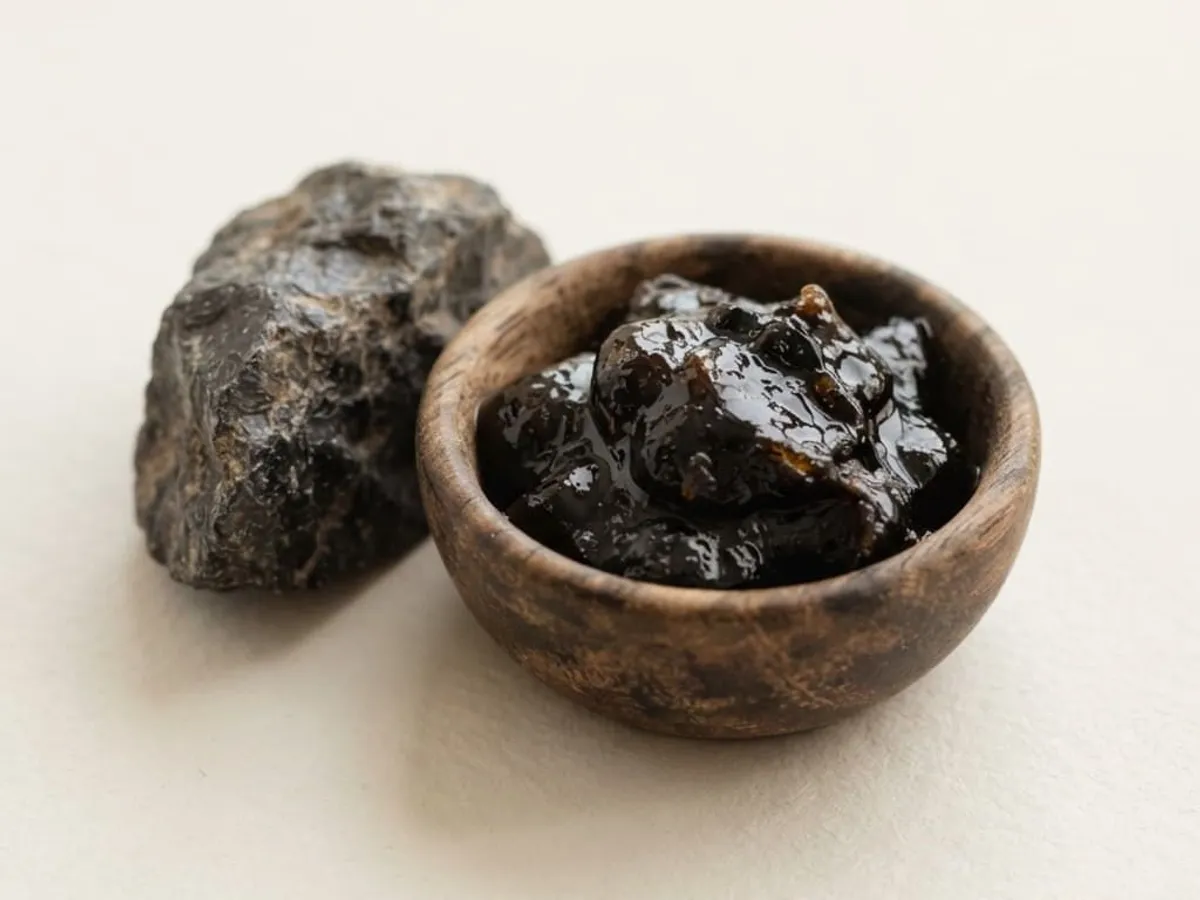
In short: Shilajit (shilajatu in Sanskrit) seeps out of high mountain rocks in summer and is collected, purified and sold as resin, powder, capsules or gummies. Ayurveda calls it a rasayana and a yogavahi, a substance that carries the qualities of other herbs. A typical amount is a pea-sized piece a day. People with gout, kidney problems or regular medicines should ask a doctor first.
Key facts
- Also called
- Shilajatu, silajit, mineral pitch, mumijo
- What it is
- Natural resin formed in Himalayan rocks
- Known components
- Fulvic acid and many trace minerals
- Common forms
- Resin, powder, capsules, gummies
- Ayurvedic view
- Rasayana and yogavahi; valued for strength and vigour
- Usually taken
- A pea-sized amount a day in warm milk or water
What is shilajit?
Shilajit is a sticky, tar-like resin that slowly oozes from rock cracks in the Himalayas and other high mountain ranges during the warm months. It forms over a very long time as plant matter breaks down and mixes with minerals trapped in the stone.
Its Sanskrit name shilajatu means «born of the rock». In the hills it is often described as the «conqueror of mountains and destroyer of weakness», which tells you how highly it is regarded.
Fresh shilajit is dark brown to black, glossy and smells smoky and earthy. It is rich in fulvic acid and carries many trace minerals, which is why people often describe it as nature's mineral concentrate.
How does Ayurveda describe shilajit?
Ayurveda counts shilajit among its most praised rasayanas, the substances used for rejuvenation, strength and long, active life. Classical Ayurvedic texts describe in detail how it is collected, purified and taken.
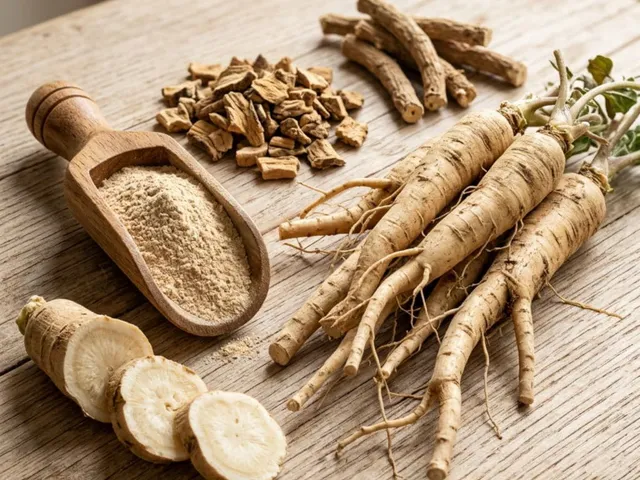
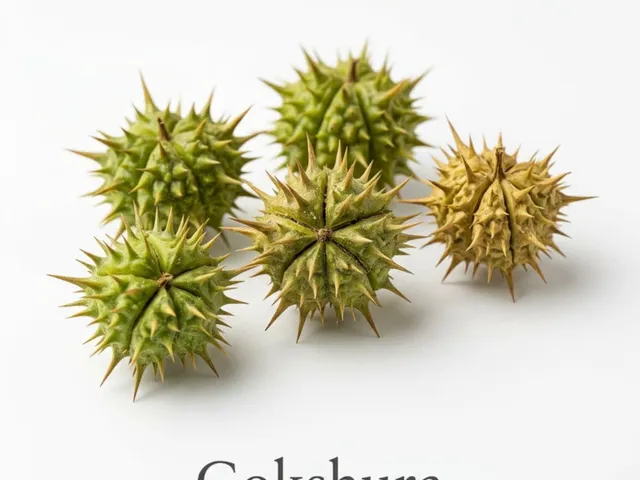
It is also called a yogavahi, meaning it carries and enhances the qualities of the herbs it is taken with. That is why shilajit so often appears together with ashwagandha, gokshura or safed musli in formulas for men.
In terms of the doshas, shilajit is described as balancing for kapha and vata. It is warming in nature, so Ayurvedic practitioners usually suggest taking it with milk to keep pitta comfortable.
What are the main shilajit benefits?
The main shilajit benefits people look for are steady energy, stamina, physical strength and a feeling of vitality as the years pass. In Ayurveda it is a tonic for the whole body rather than a herb for one single need.
Researchers have shown interest in shilajit because of its fulvic acid and mineral content, and it has become popular far beyond India. Here is what Indian buyers most often take it for:
- Energy and stamina for long working days
- Strength and recovery for men who train or do physical work
- Male vitality and confidence, often together with other men's herbs
- Support for active, healthy ageing as a classic rasayana
- A mineral-rich addition to the diet when you feel run down

Shilajit for men: why is it so popular?
Shilajit is popular with men because Ayurveda has linked it with male strength, stamina and vigour for centuries. It sits at the heart of many vajikarana formulas, the branch of Ayurveda devoted to men's vitality.
Think of the tailor who stands at his counter from morning till late evening, the delivery rider on the road all day, or the office worker who reaches home with nothing left for his family. These are the men who most often ask a vaidya or a chemist about shilajit.
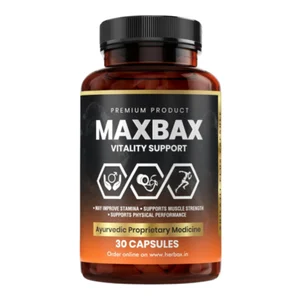
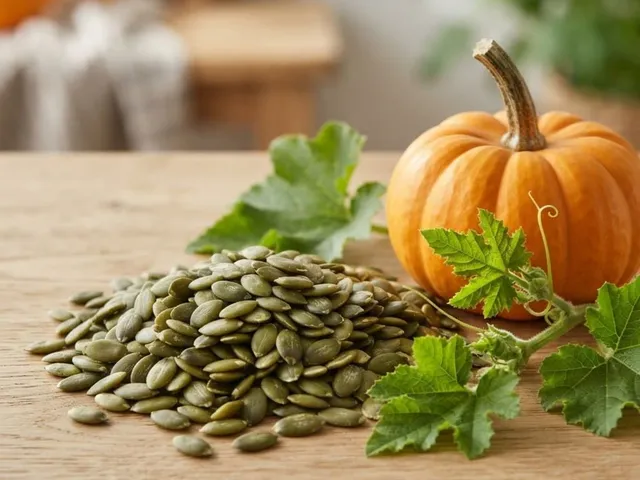
It also mixes well with other classic men's herbs. Ashwagandha brings calm, gokshura and kaunch beej are valued for male vitality, and safed musli for strength, so many Indian men prefer a ready capsule that brings all of them together.
What are the common shilajit uses?
The most common shilajit uses are as a daily energy and stamina tonic, as part of men's vitality formulas and as a rejuvenating supplement for older adults. It is taken by men most often, but women also use it in smaller amounts.
In Ayurvedic practice, shilajit is also blended into formulas aimed at urinary comfort, joint comfort and healthy ageing, because it is believed to carry the action of the herbs around it. Sportspeople and gym-goers in Indian cities have taken a fresh interest in it as a mineral-rich supplement.
Some families keep shilajit for the winter months, when a cup of hot milk with a little resin feels warming before bed.
What does purified shilajit mean?
Purified shilajit is resin that has gone through shodhana, the Ayurvedic cleaning process, before it is sold. Only purified shilajit is meant to be taken; raw rock resin straight from the mountain is not.
In the traditional method, raw shilajit is dissolved in water or herbal decoctions such as triphala, left to settle, filtered to remove sand and stone, and then dried slowly in the sun. What remains is the clean, concentrated resin.
When you buy shilajit, look for the word «purified» or «shuddh» on the label, a clear source and a seller who can tell you how it was prepared. A capsule formula from a known brand saves you the work of judging raw resin yourself.
Shilajit resin vs capsule vs gummies: which is better?
Resin is the most traditional form, capsules are the most convenient, and gummies are the easiest on taste. The better choice is the form you will take regularly and that clearly lists purified shilajit.
Resin has a strong smoky, bitter taste and needs a little care to measure, but many people like the ritual of dissolving it in warm milk. Capsules give a fixed amount every time and often combine shilajit with other herbs, which suits busy men and travellers.
Gummies are sweet and easy, but they usually contain sugar and less resin per piece. If you want shilajit for men's stamina, a capsule formula that pairs it with ashwagandha, gokshura and safed musli gives you more of the classic Ayurvedic combination.
How to take shilajit?
Take shilajit once a day in a small amount, usually a pea-sized piece of resin dissolved in a cup of warm milk or water, in the morning or before bed. With capsules or gummies, follow the label or your Ayurvedic practitioner.
Stir the resin with a spoon until it melts completely; good quality resin dissolves in warm liquid and leaves the water a deep golden brown. Do not use boiling water, and do not take more than the label suggests.
Ayurveda sees shilajit as a slow builder. Most people take it daily for some weeks to a few months, then pause before the next course, as advised by their practitioner.
How does shilajit fit into Indian daily life?
Shilajit fits best as a small, steady habit tied to something you already do, such as the morning glass of milk or the cup you drink before bed. A pea-sized piece takes less than a minute to dissolve.
Men who start the day early, like shopkeepers, tailors and drivers, often prefer a capsule after breakfast so they do not have to think about it again. Those who enjoy tradition keep a small jar of resin next to the tea things and stir it into warm milk at night.
Pair it with simple support from your own kitchen: dal and roti on time, a handful of soaked almonds, enough water, an evening walk and proper sleep. Ayurveda always sees a rasayana as part of a balanced way of living, not as a shortcut.
How do you choose a good shilajit product?
Choose a product that says purified shilajit clearly, lists every other ingredient and gives the dose and expiry date on the pack. A seller who answers questions on the phone and offers cash on delivery is a comfortable choice for most Indian buyers.
Decide what you want it for. If your goal is men's stamina and vitality, a blend that already combines shilajit with ashwagandha, gokshura, kaunch beej and safed musli is simpler than buying four jars. If you want shilajit alone as a general tonic, resin or plain capsules are enough.
Keep resin in a cool, dry place with the lid tightly closed, since heat and moisture make it soft and sticky.
A note on safety
Shilajit is a dietary supplement, not a medicine, and it does not take the place of treatment your doctor has prescribed. Use only purified shilajit. Pregnant or breastfeeding women and children should avoid it unless a doctor advises otherwise. Speak to your doctor before starting if you have gout or high uric acid, kidney stones or kidney disease, heart problems, or if you take medicines for blood pressure, diabetes or blood thinning. Never stop prescribed medicines on your own.
Written by the Herbal360 editorial team — independent information about herbal and Ayurvedic supplements in India.