In short: Shatavari (Asparagus racemosus) is a climbing plant whose pale roots Ayurveda uses as a tonic for women at every stage of life. It is described as sweet, cooling and soothing, so it suits pitta and vata. Most women take about half to one teaspoon of powder with warm milk, as the label says. In pregnancy and while breastfeeding, ask your doctor first.
Key facts
- Also called
- Shatavari, satavar, Indian asparagus, Asparagus racemosus
- Part used
- The tuberous roots
- Common forms
- Churna (powder), shatavari kalpa granules, tablets, capsules
- Ayurvedic view
- Rasayana for women; sweet, cooling, calms vata and pitta
- Usually taken
- With warm milk, once or twice a day, as the label says
- Taste
- Mildly sweet and slightly bitter; kalpa is sweetened
What is shatavari?
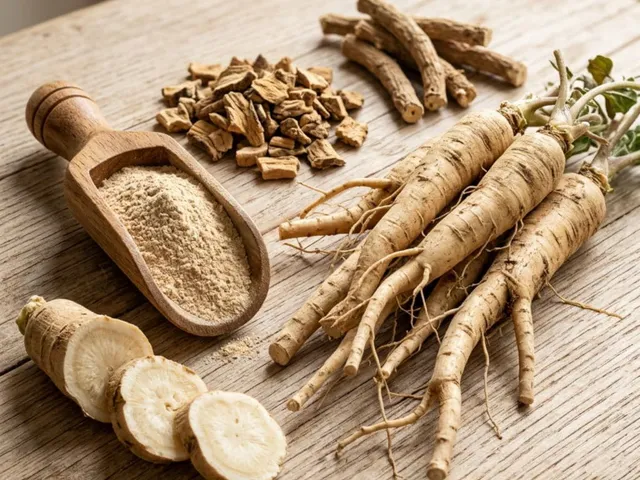
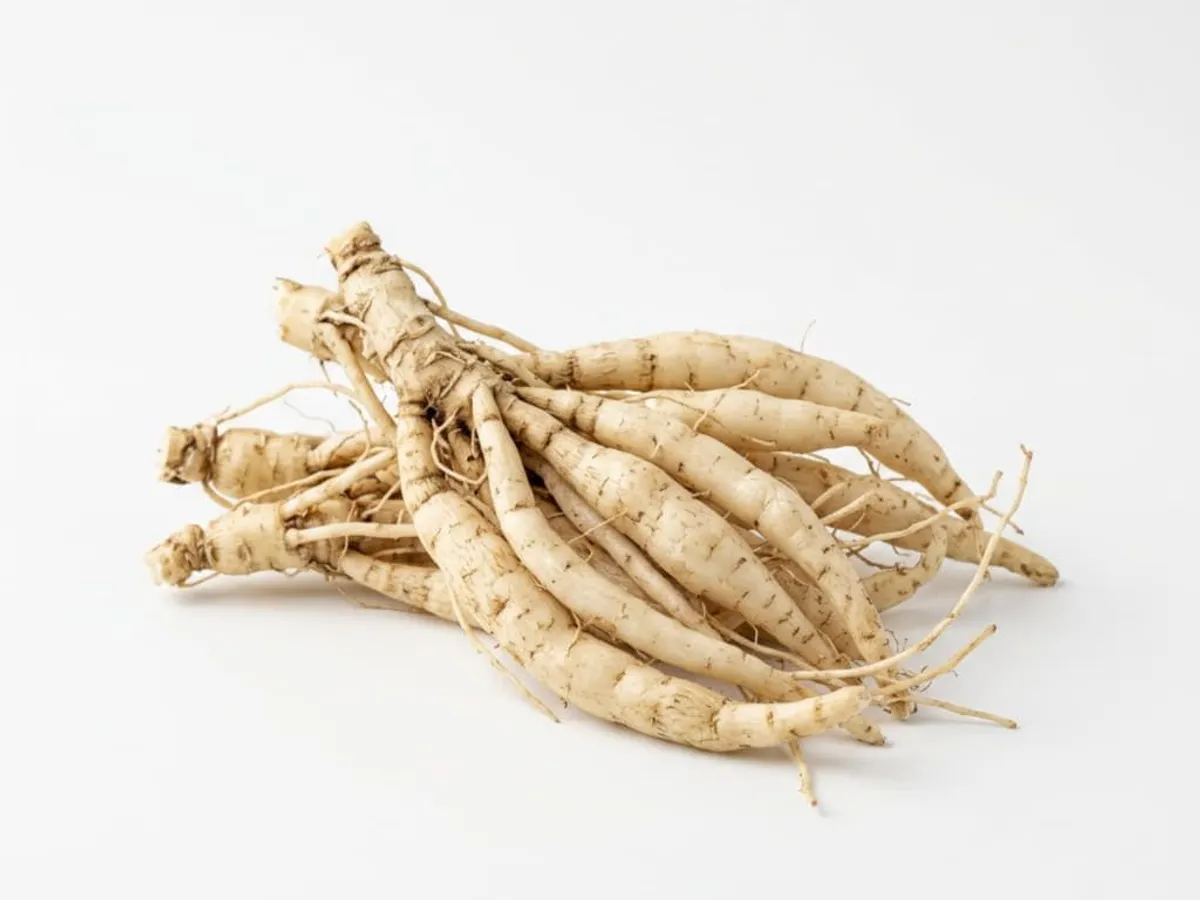
Shatavari is a thorny climbing plant of the asparagus family that grows in forests and hills across India. Its clusters of pale, fleshy roots are dried and powdered to make one of the most respected herbs in Ayurveda.
The name is often explained as 'a hundred roots', a nod to the many tubers that hang below a single plant. In many homes it is simply called the queen of herbs for women, the way ashwagandha is seen as the classic tonic for men.
Grandmothers in Maharashtra, Gujarat and the south have long kept a jar of shatavari powder in the kitchen, ready to stir into a cup of milk for a daughter, a new mother or themselves.
How does Ayurveda describe shatavari?
Ayurveda calls shatavari a rasayana, a rejuvenating herb that nourishes the body deeply over time. It is described as sweet and slightly bitter in taste, heavy, moist and cooling in nature.
These qualities make it soothing for pitta, the fiery dosha linked with heat, irritability and acidity, and grounding for vata, the airy dosha linked with dryness, worry and irregular cycles. Women who feel hot, dry, restless or depleted are the ones Ayurveda most often guides towards shatavari.
The texts also link shatavari with shukra and artava dhatu, the tissues tied to reproductive health, and with ojas, the vital essence behind strength and a glowing look.
What are the main benefits of shatavari for women?
Shatavari is valued as an all-round tonic that supports a woman's balance, energy and calm. Rather than doing one narrow job, it is taken to nourish the whole body.
Women commonly take shatavari for:
Researchers have studied shatavari for women's health, digestion and stress, and its traditional reputation keeps drawing new interest. For most Indian women, though, the reason is closer to home: it is the herb their mothers trusted.
- Hormonal balance and a smoother monthly cycle
- Steady energy for women who juggle office, home and family
- A cooler, calmer feeling on hot, irritable days
- Comfortable digestion, especially when acidity flares
- Healthy-looking skin and hair as part of overall nourishment

How does shatavari support women at different stages of life?
Ayurveda sees shatavari as a companion for a woman's whole life, with a slightly different role at each stage. The herb stays the same; what it is taken for changes with the years.
In the teenage years and twenties, it is traditionally given to support a regular, comfortable monthly cycle and steady energy during studies or a first job. For women planning a family, Ayurveda values it as a nourishing tonic for the reproductive system.
Around pregnancy and after childbirth, shatavari has a long place in Indian tradition, especially for new mothers. These are times to speak with your doctor before taking any herb, however familiar.
In the forties and fifties, many women turn to it for comfort during perimenopause and menopause: a cooler body, a calmer mind and gentler sleep when hot flushes and mood swings appear.
Shatavari powder benefits: why many women prefer churna
Shatavari powder is the traditional form and the easiest to adjust to your own needs. Mixed into warm milk, it becomes a soothing evening drink that many women look forward to after a long day.
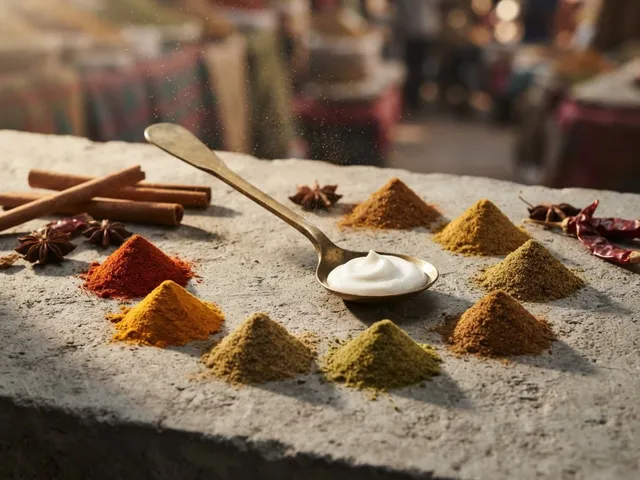
Churna lets you start small and increase gently, and it mixes well with other kitchen herbs. A pinch of cardamom or a few strands of saffron make it more fragrant, and a little jaggery softens the slightly bitter note.
If you dislike the taste or travel often, tablets and capsules give the same herb without mixing. They are handy for office drawers and work trips.
What is shatavari kalpa and how do you take it with milk?
Shatavari kalpa is a sweet granulated preparation of shatavari, usually made with sugar and flavoured with cardamom. It dissolves quickly in milk and tastes pleasant, which is why many families buy it for young women and new mothers.
The usual way is one to two teaspoons stirred into a cup of warm milk, once or twice a day, as printed on the jar. Morning with breakfast or at bedtime both suit it.
Because kalpa contains sugar, women who watch their blood sugar or weight often choose plain powder or tablets instead. Read the label to know what you are getting.
How should you take shatavari powder?
The common traditional amount is about half to one teaspoon of shatavari powder, once or twice a day, with warm milk. Follow the label or your Ayurvedic practitioner for tablets, capsules and anything stronger.
Warm milk is the classic carrier because it shares shatavari's sweet, cooling and nourishing nature. If you avoid dairy, warm water or a plant milk works too. Ghee in small amounts is another traditional partner.
Take it at a fixed time so it becomes an easy daily habit, perhaps with your evening chai break or just before bed. Give it a few weeks of steady use, since rasayana herbs build their effect slowly.
Can shatavari be combined with other herbs?
Yes, Ayurveda often pairs shatavari with herbs that complement it. The right partner depends on what you are looking for.
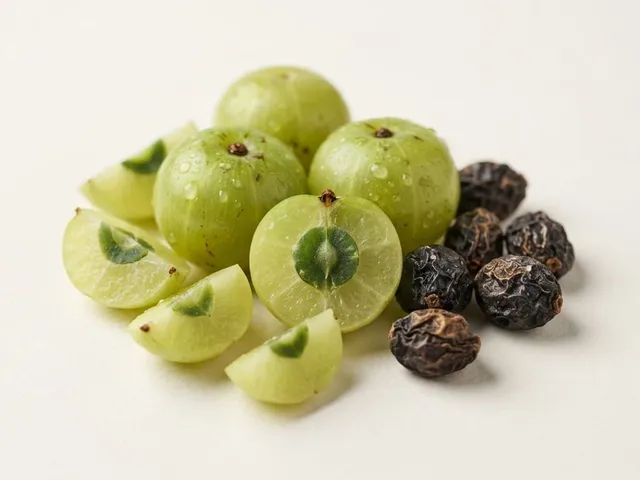
Ashwagandha with shatavari is a classic pair for energy and a steady mood. Amla adds vitamin C and a fresh, cooling touch. Brahmi is often added for a calm, focused mind. In many women's formulas you will also see gokshura, which is valued for urinary comfort.
If you already take a product that combines several herbs, do not add extra powders on top without asking a practitioner.
Fitting shatavari into a busy Indian woman's day
Shatavari works best as a small, regular habit woven into the day you already have. You do not need special recipes or extra time.
Some women stir it into the morning glass of milk they make for the children, so the family drink and their own tonic come from the same pan. Others keep it for the quiet ten minutes after dinner, when the kitchen is done and the house slows down.
Ayurveda adds a few simple partners that make shatavari feel even better: regular meals instead of skipped lunches, enough water on hot afternoons, a short walk or gentle yoga, and an early night when you can manage it. During festivals and travel, carry tablets so the habit does not break.
How can you choose a good shatavari product?
Choose a pack that names shatavari or Asparagus racemosus clearly and gives a simple daily amount. Fine, creamy-white powder with a mild smell is what you want; avoid powder that looks damp or clumped.
Decide on the form first: powder for flexibility, kalpa for taste, tablets or capsules for convenience. Keep the jar tightly closed in a cool, dry place, especially during the monsoon months, when powders soak up moisture fast.
A note on safety
Shatavari is a dietary supplement, not a medicine, and supports wellbeing alongside your doctor's care. During pregnancy and breastfeeding, ask your doctor before taking it, even though it is a traditional herb for new mothers. Speak to a doctor first if you have a hormone-sensitive condition, kidney problems, diabetes or an allergy to asparagus, or if you take regular medicines. Heavy bleeding, severe period pain or missed periods need a doctor's check, not just herbs.
Written by the Herbal360 editorial team — independent information about herbal and Ayurvedic supplements in India.