Ayurveda blog: herbs and traditional supplements, explained simply
Ashwagandha in warm milk, triphala at bedtime, haldi doodh in the monsoon — India has trusted these herbs for generations. Here we explain each one in plain English: what it is, what people take it for, which form to choose and when to ask your doctor first.
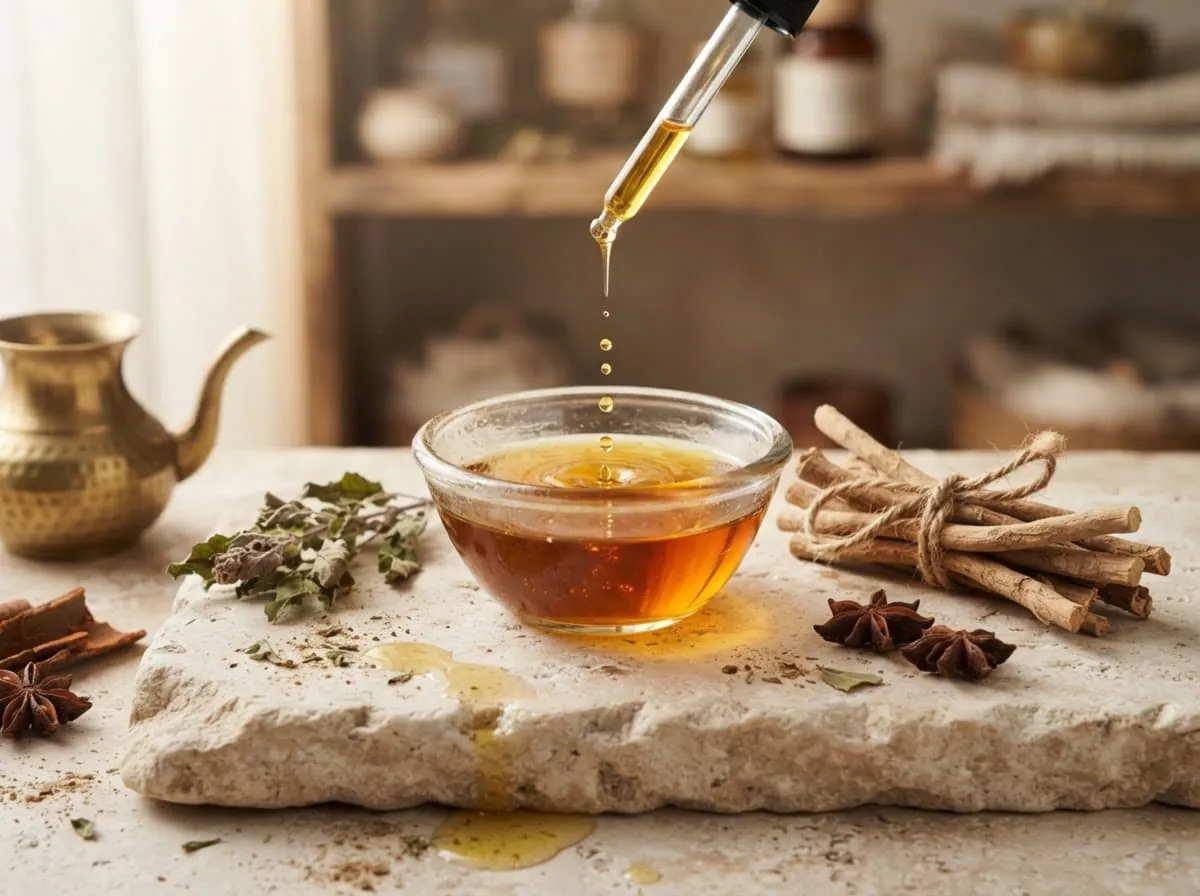
Which Ayurveda guide should you read first?
 Herb guide
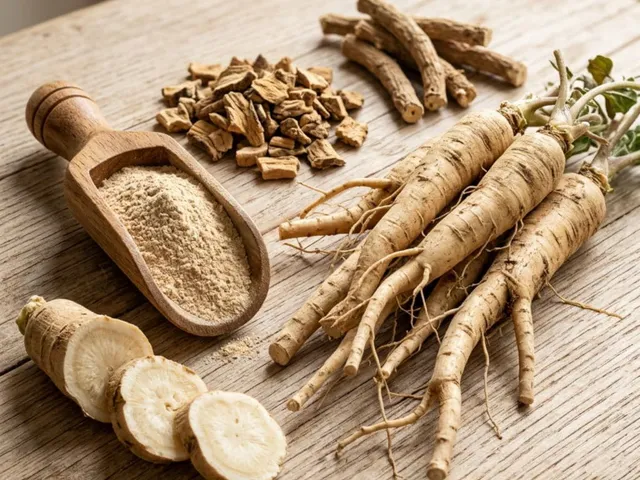
Ashwagandha benefits: for men, women, sleep and how to take it
What ashwagandha is valued for in Ayurveda, how men and women use it, powder or tablet, the best time to take it and who should check with a doctor first.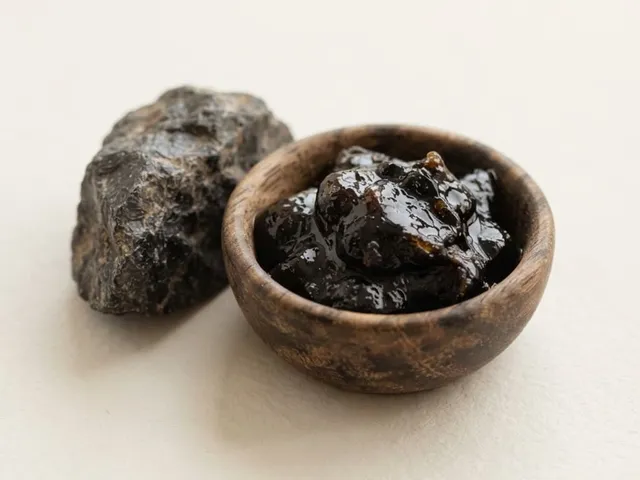 Men's health
Shilajit benefits: uses for men, purified resin and how to take it
What shilajit is, why Ayurveda calls it a rasayana for stamina and strength, what purified means, resin or capsule, and the simple way to take it every day.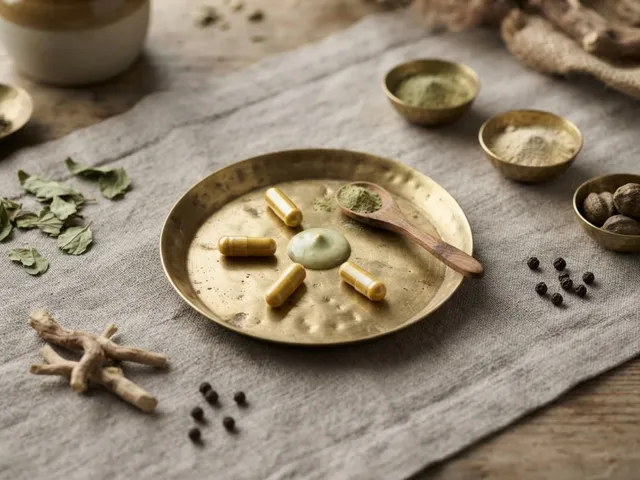 Ayurveda basics
Triphala churna benefits: constipation, uses and taking it at night
Why Ayurveda values triphala, the blend of amla, baheda and harad, for gentle digestion and regular bowels, plus powder or tablets and the best way to take it at bedtime.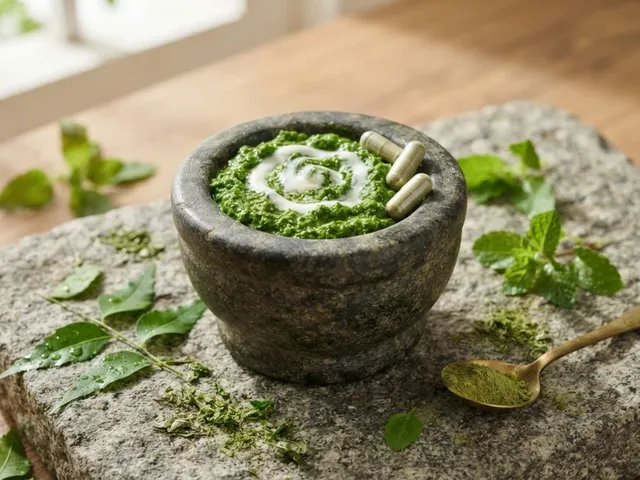 Herb guide
Giloy benefits: juice, ghanvati and the amrita herb of Ayurveda
Why Ayurveda calls giloy amrita, what people take it for in the monsoon and winter, and how to choose between giloy juice, powder and ghanvati tablets.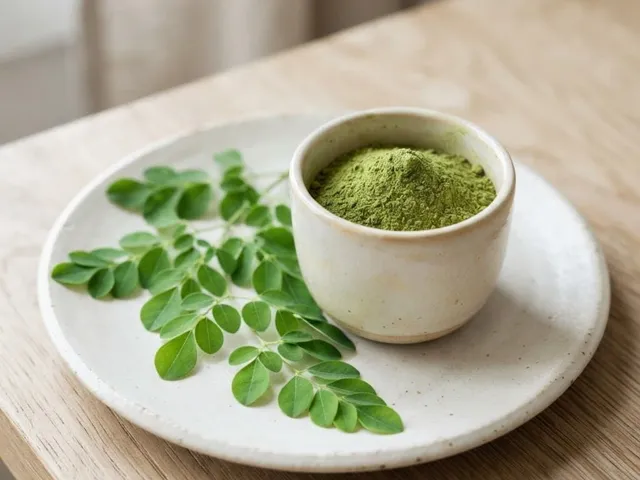 Kitchen remedy
Moringa powder benefits: how to use drumstick leaves at home
What moringa powder and sahjan leaves offer, how to add them to dal, roti and chaas, tablets versus powder, and moringa's place in heart-friendly eating.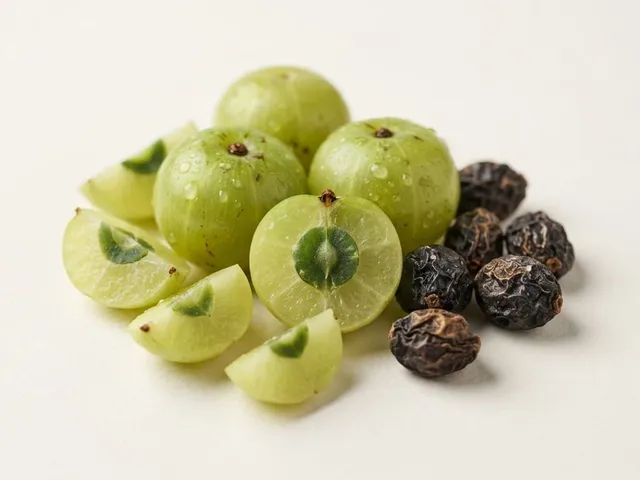 Herb guide
Amla benefits: juice, powder, murabba and the Indian gooseberry
Why Ayurveda calls amla a rasayana, what amla juice and powder offer, how families use it for hair and eyes, and how murabba, candy and chyawanprash compare.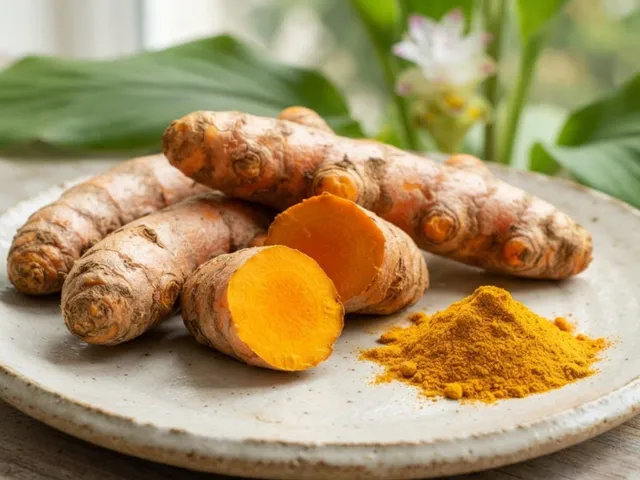 Kitchen remedy
Haldi doodh benefits: the golden milk of Indian kitchens
Why Indian grandmothers trust a warm glass of haldi doodh, how to make turmeric milk the traditional way, and why a pinch of black pepper belongs in the cup.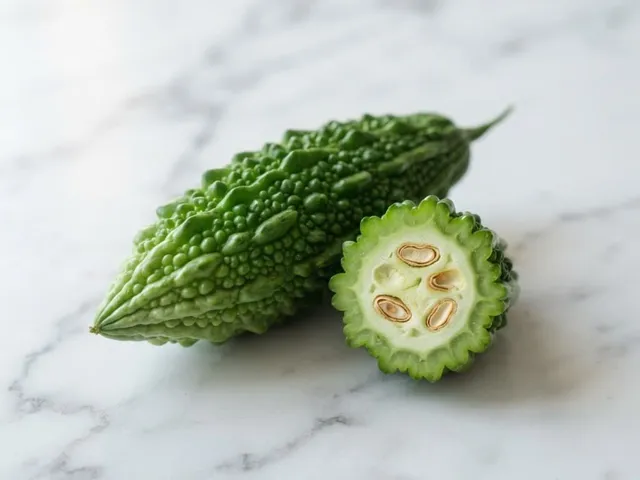 Blood sugar balance
Ayurvedic herbs for sugar control: what Indian kitchens use
Karela juice, jamun seed powder, methi water and gudmar: how Ayurveda uses these herbs to help maintain healthy blood sugar, and how to take them safely with your doctor's advice.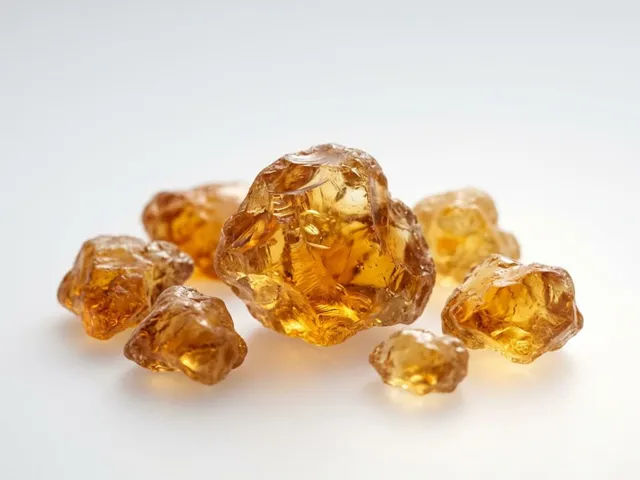 Joint care
Shallaki, guggul and nirgundi: Ayurveda's joint herbs explained
How Ayurveda looks at stiff knees and an aching back, what shallaki, guggul, nirgundi and hadjod are valued for, and how to choose between tablets, oils and ready formulas.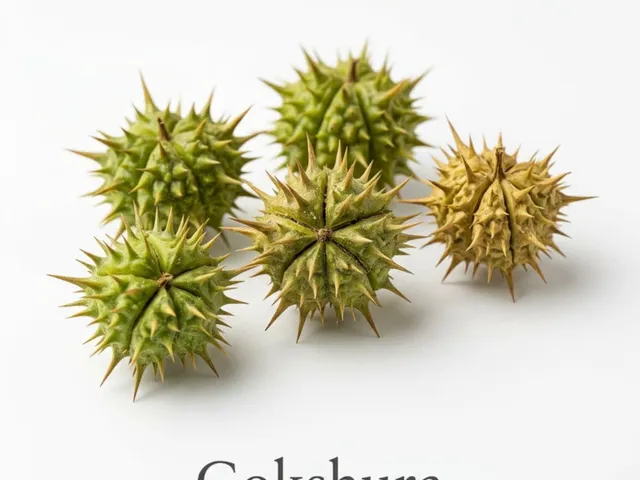 Men's health
Gokshura, safed musli and kaunch beej: benefits for men
Why Ayurveda pairs gokshura, safed musli and kaunch beej for men's energy, stamina and confidence, which form to pick, how to take them and who should check with a doctor first.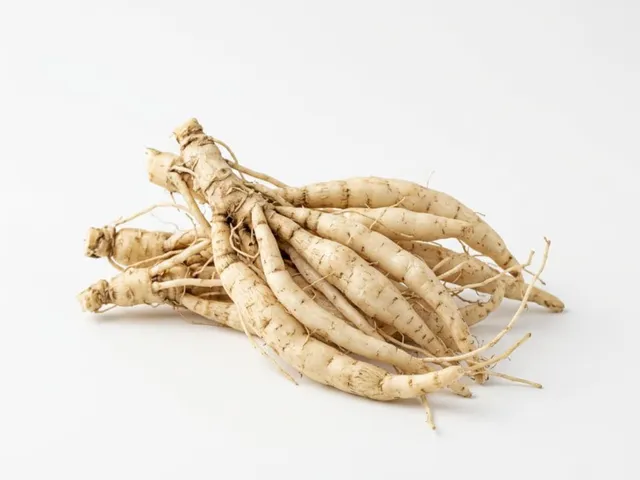 Women's wellness
Shatavari benefits for women: powder, kalpa and how to take it
Why Ayurveda calls shatavari the queen of herbs for women, how it supports wellbeing from the teenage years to menopause, and how to take the powder or kalpa with milk.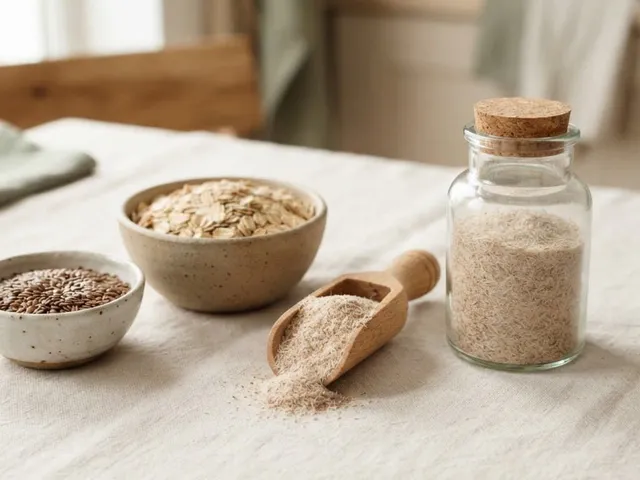 Kitchen remedy
Isabgol benefits for constipation and piles: how to take it
How isabgol husk supports soft, regular motions and comfort with piles, how much to take at night, why water matters so much, and when to take it with curd instead.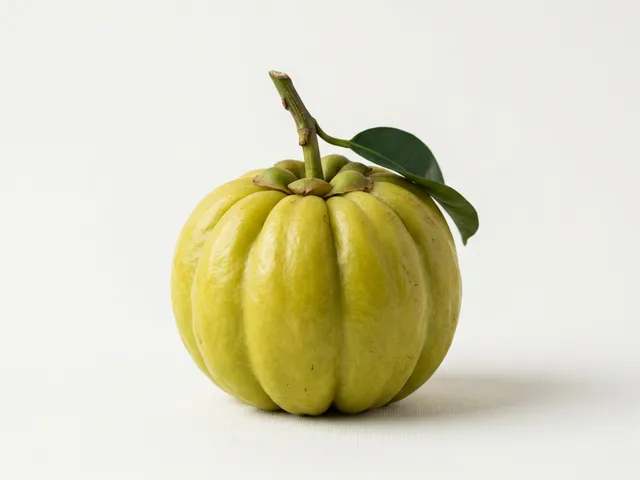 Herb guide
Garcinia cambogia for weight loss: what kudampuli brings to your plan
Garcinia cambogia, the sour kudampuli of Kerala kitchens, is valued for a feeling of fullness. See how it supports a weight plan, which forms exist and how to take it. Ayurveda basics
Vata, pitta, kapha explained: know your body type and stay in balance
Vata, pitta and kapha are the three doshas of Ayurveda. Learn what each one means, how to read your prakriti, the signs of imbalance and simple habits that restore balance.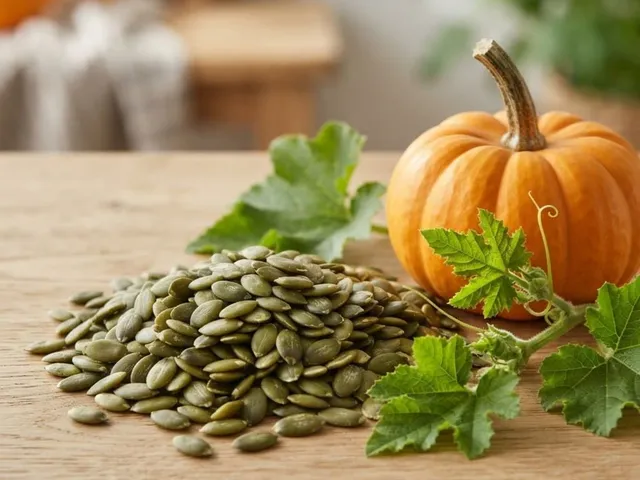 Men's health
Ayurvedic herbs for prostate health: gokshura, punarnava, varuna
Gokshura, punarnava, varuna and pumpkin seeds are the names Ayurveda turns to for men's urinary comfort. Learn how each is used and which evening habits bring calmer nights.What will you find in the Herbal360 Ayurveda blog?
Each article covers one herb or one idea from Ayurveda that people across India search for every day. We start with the short answer, then explain the Hindi and botanical names, the forms you will see in the market — churna, tablets, capsules, juice — and the usual way of taking them.
Every guide ends with a safety note and, where it fits, the products in our catalogue that relate to the same need. You can then read the full product page, compare it with others in its category and order with cash on delivery.
How do we write about Ayurvedic herbs?
We describe traditional use the way Ayurveda describes it and keep the language calm and practical. A herb supports your wellbeing alongside good food, sleep and movement; it does not replace treatment your doctor has prescribed.
If you are pregnant, breastfeeding, taking regular medicines or living with a long-term condition, speak to your doctor before starting any new herb or supplement. Our medical disclaimer explains this in more detail.