In short: Gokshura (Tribulus terrestris) is valued for male vigour and urinary comfort, safed musli for strength and stamina, and kaunch beej (Mucuna pruriens) for vitality and a positive mood. Ayurveda usually combines them rather than using one alone. Take them with warm milk or water as the label says, give them steady time, and check with your doctor first if you take regular medicines.
Key facts
- Also called
- Gokshura: gokhru, Tribulus terrestris · Safed musli: white musli, Chlorophytum borivilianum · Kaunch beej: kapikachhu, velvet bean, Mucuna pruriens
- Part used
- Gokshura fruit, safed musli tuberous root, kaunch seeds
- Common forms
- Churna (powder), tablets, capsules, combined men's formulas
- Ayurvedic view
- Vrishya and rasayana herbs: tonics for strength, stamina and vitality
- Usually taken
- With warm milk or water, once or twice a day, as the label says
- Good to pair with
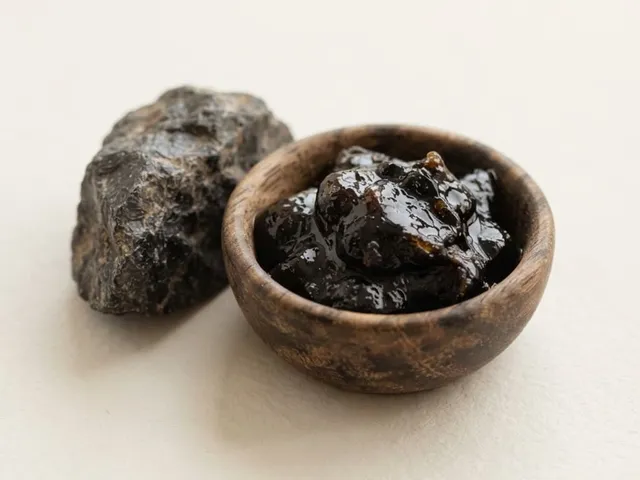
- Ashwagandha and shilajit in many traditional men's blends
What are gokshura, safed musli and kaunch beej?
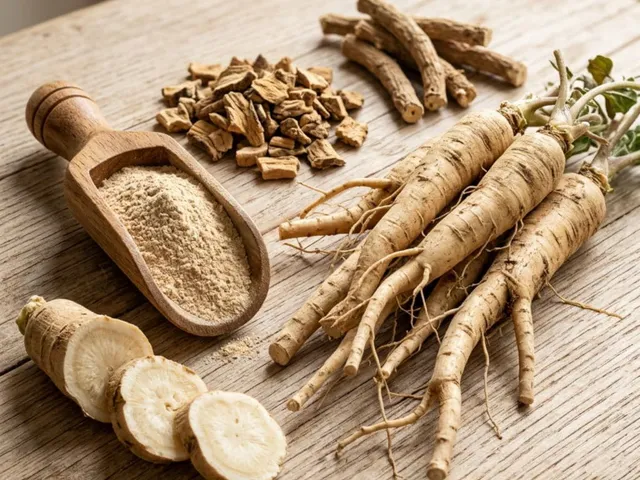
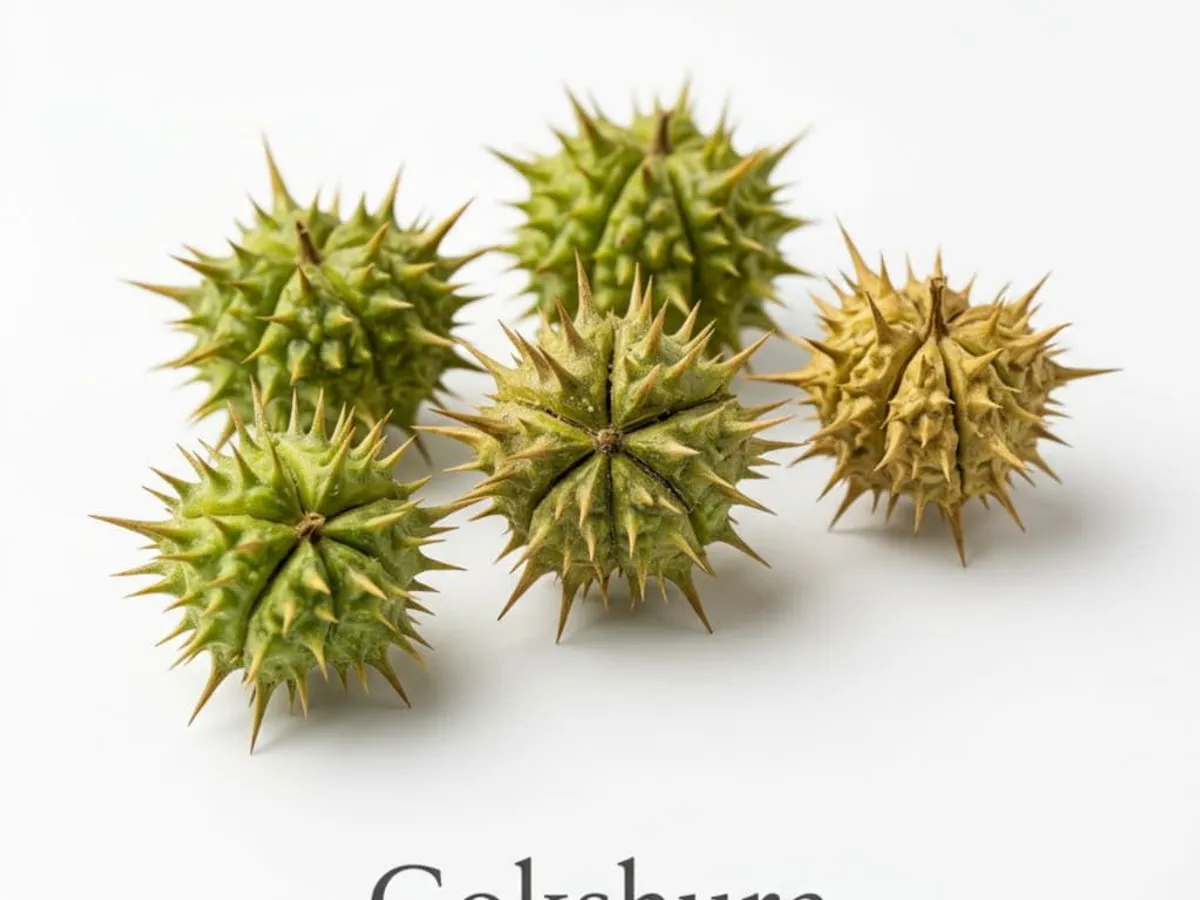
They are three Indian plants that Ayurveda has used for centuries as tonics for men. Gokshura comes from the small spiny fruit of a creeping plant, safed musli from fleshy white roots, and kaunch beej from the seeds of the velvet bean creeper.
Gokshura grows wild along roadsides and dry fields across India. Its hard, thorny fruits are the gokhru that village children learn to avoid with bare feet. Once dried and powdered, they become one of the most widely used herbs in Ayurvedic men's formulas.
Safed musli grows in forest areas of central and western India, and its pale roots are dried and ground into a soft powder. Kaunch beej comes from a climbing bean whose pods are covered with itchy hairs, which is why the seeds are always cleaned and processed before use.
How does Ayurveda look at men's vitality?
Ayurveda sees vitality as the result of good digestion, deep rest and well-nourished tissues, not as a quick boost. Its texts set apart a whole branch called vajikarana, devoted to men's strength, desire and the energy to build a family.
In this view, the last and most refined body tissue is shukra dhatu, linked with reproductive strength. When food is digested well and the mind is calm, shukra is nourished and a man feels strong, steady and sure of himself. Long working hours, poor sleep, stress and irregular meals are seen as the things that drain it.
Herbs that nourish shukra are called vrishya. Gokshura, safed musli and kaunch beej are among the best known of them, and Ayurveda usually combines them with rasayana herbs such as ashwagandha and shilajit for all-round renewal.
What are the benefits of gokshura for men?
Gokshura is valued in Ayurveda as a tonic for male vigour, stamina and comfortable urination. It is described as sweet in taste and cooling in nature, which makes it a gentle herb that suits many body types, including men who run warm.
Many men take gokshura for these reasons:
Researchers have studied tribulus for men's energy and wellbeing, and interest in it keeps growing. For an Indian man, though, the strongest reason to try it is simpler: it has been part of trusted family formulas for generations.
- Support for physical stamina on long, demanding days
- Traditional use as a vrishya herb for male vitality and desire
- Comfort of the urinary tract, one of its oldest uses in Ayurveda
- General strength for men who exercise, travel or do physical work

What is safed musli good for in men?
Safed musli is valued as a strength herb, so much so that some call it a natural tonic for men's stamina. Ayurveda describes it as sweet, heavy and nourishing, the kind of herb that builds a man up rather than stimulating him for a moment.
Men often turn to safed musli when they feel run down: after an illness, during a heavy season at work, or when the gym or cricket ground leaves them more tired than usual. It is traditionally used to support energy, physical endurance and confidence in intimate life.
Because it is heavy and nourishing, safed musli is usually taken with warm milk, which Ayurveda sees as the best carrier for tonic herbs. Men with weak digestion are often advised to start with a small amount and see how the stomach feels.
Why is kaunch beej part of men's formulas?
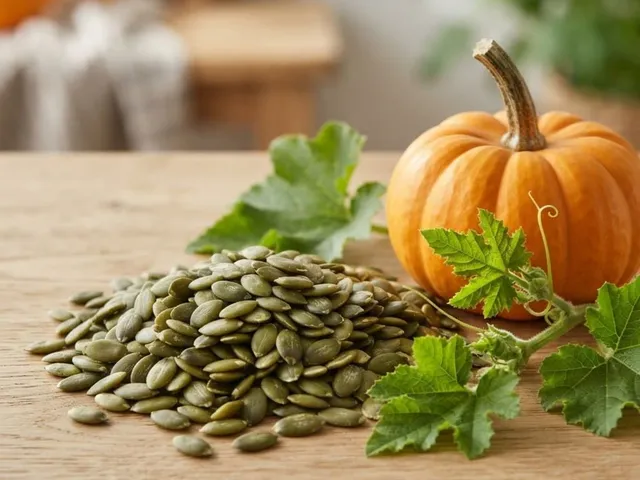
Kaunch beej is a classic vajikarana herb, traditionally used for male vitality, desire and a positive, motivated mood. In Ayurvedic texts it appears again and again in tonics prepared for men who want more energy and drive.
The seeds naturally contain L-dopa, a compound the body uses to make dopamine, the messenger linked with motivation and a sense of reward. This is one reason modern interest in the velvet bean has grown, and also why it pairs so well with calming herbs such as ashwagandha.
Kaunch beej should be used in its processed form, called shodhit kaunch, which is what good powders and tablets contain. Raw seeds and pods are not meant for home use.
Gokshura tablet or powder: which form suits you?
Both work in the Ayurvedic sense; the right choice depends on your taste and your day. Powder is the traditional form, while tablets and capsules are simply easier for a working man to carry and remember.
Churna is mixed into warm milk or water and lets you adjust the amount gently. Gokshura has a mild taste, but safed musli powder is starchy and kaunch powder can taste earthy, so not everyone enjoys them every morning.
Tablets and capsules have no taste, no measuring and no mess, which suits office bags, tours and train journeys. A combined capsule saves you from buying three or four separate powders and guessing the balance between them.
- Powder (churna): traditional, flexible, best with warm milk
- Tablet or ghanvati: concentrated, easy to carry, simple to count
- Combined capsule: several men's herbs in one, no mixing needed
How should you take gokshura and safed musli?
The common traditional amount is about half to one teaspoon of churna, once or twice a day, with warm milk or water. For tablets and capsules, follow the label or your Ayurvedic practitioner rather than guessing.
Many men take their tonic after breakfast or at night with a glass of warm milk, sometimes with a pinch of cardamom. Pick one fixed moment, perhaps right after morning chai, so the habit sticks even during a busy week.
Tonic herbs are meant for steady daily use over weeks, not for one evening. Give your body time, keep taking them regularly for the course on the pack, and notice how your energy, sleep and mood feel along the way.
Which daily habits help these herbs do their best?
Herbs work best alongside good sleep, simple food and a calmer mind. Ayurveda always sees tonics as one part of a healthy life, not a replacement for it.
Small changes make a big difference to how a man feels by evening. These habits fit easily into an Indian day:
- Sleep seven to eight hours and keep the phone away at bedtime
- Eat home food: dal, roti, seasonal sabzi, nuts, ghee in moderation
- Walk, play cricket with the kids or do yoga most days of the week
- Cut back on late-night drinking, smoking and heavy fried snacks
- Make time for your wife and family without the TV running
How do you choose a good men's herbal product?
Choose a product that clearly names its herbs on the label and gives a simple daily dose. If gokshura, safed musli or kaunch beej are what you want, check that they are actually listed, not only shown in the pictures.
A well-made formula often combines several men's herbs so that strength, stamina and calm come together. Look for clear instructions, a sealed pack and a seller who answers your questions on the phone before delivery.
Store the pack in a cool, dry place away from steam and sunlight, especially during the monsoon, when powders can absorb moisture.
A note on safety
These herbs are dietary supplements, not medicines, and they support wellbeing rather than replace care from a doctor. Speak to your doctor first if you take medicines for diabetes, blood pressure, the heart, mood or Parkinson's disease, or if you have kidney or liver concerns. Kaunch beej needs extra care with any mental health medicine. If weakness, low desire or trouble in intimate life continues for weeks, see a doctor: it can be an early sign of sugar, thyroid or heart problems worth checking.
Written by the Herbal360 editorial team — independent information about herbal and Ayurvedic supplements in India.