In short: After forty, the prostate often asks for attention: a weaker flow, waking at night to urinate, a feeling of not emptying fully. Ayurveda links this with apana vayu, the downward-moving part of vata. Gokshura, punarnava and varuna are its classic urinary herbs, and pumpkin seeds add zinc from the kitchen. Any blood, pain or sudden change means seeing a urologist.
Key facts
- Main herbs
- Gokshura, punarnava, varuna
- Kitchen support
- Pumpkin seeds (kaddu ke beej)
- Botanical names
- Tribulus terrestris, Boerhavia diffusa, Crateva nurvala
- Ayurvedic view
- Apana vayu and the urinary channels (mutravaha srotas)
- Common forms
- Churna, tablets, capsules, kashayam (decoction)
- See a doctor if
- Blood in urine, pain, fever or a sudden change
Which herbs does Ayurveda use for prostate health?
Ayurveda's best-known herbs for men's urinary comfort are gokshura, punarnava and varuna, and they often appear together in classical formulas. Each has a slightly different role: gokshura supports the urinary tract and men's vitality, punarnava supports the body's water balance, and varuna bark is valued for the bladder and lower urinary tract.
None of these acts alone in Ayurveda. A practitioner chooses and combines them according to your age, your dosha balance and your digestion, and always alongside diet and daily habits.
- Gokshura (Tribulus terrestris, chota gokhru): urinary comfort and male vitality.
- Punarnava (Boerhavia diffusa): fluid balance and a lighter feeling in the body.
- Varuna (Crateva nurvala): bladder comfort and an easy flow, used as bark.
- Pumpkin seeds (kaddu ke beej): a kitchen food rich in zinc, enjoyed roasted.
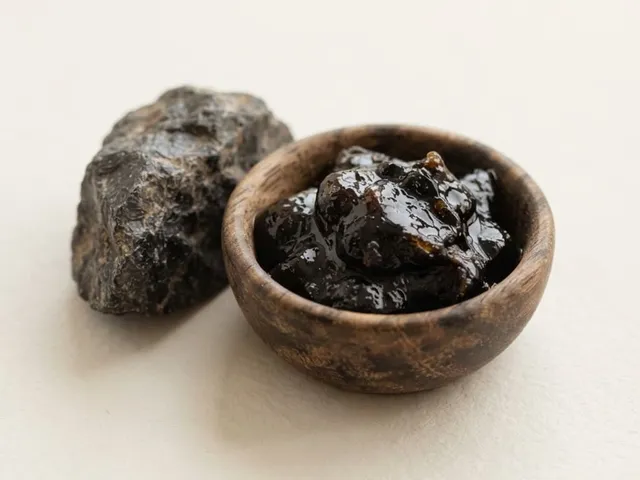
- Supporting herbs: shilajit and ashwagandha for men's energy, often combined in the same formulas.
How does Ayurveda look at the prostate and urinary comfort?
Classical texts do not use the word prostate, but they describe the urinary system in detail as mutravaha srotas, the channels that carry urine. A smooth flow depends on apana vayu, the downward-moving form of vata that governs elimination from the lower belly.
As men grow older, vata naturally rises, and Ayurveda reads a weaker stream, dribbling and frequent night-time urination as signs that apana vayu is no longer moving freely. Texts describe difficult or obstructed urination under names like mutrakrichha and mutraghata, and suggest warm, easy-to-digest food, regular bowels and herbs that keep the channels clear.
This is why Ayurvedic advice for the prostate often starts with constipation and evening meals. A heavy dinner and a sluggish gut are thought to press downward on the same area, while a light supper and regular motions help apana vayu do its job.
What is gokshura and how does it support the urinary tract?
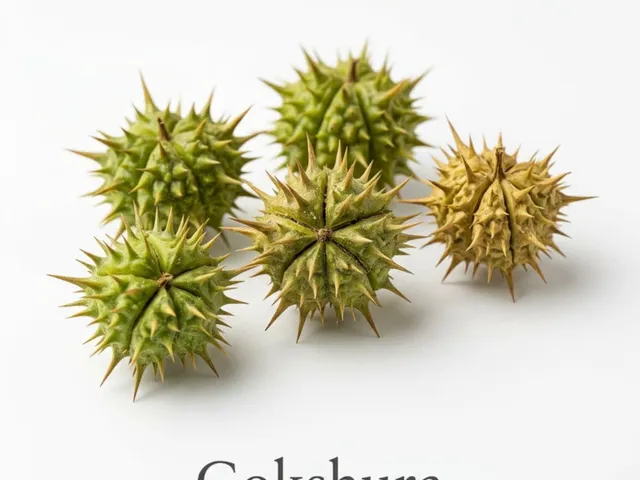
Gokshura is the small, spiky fruit of Tribulus terrestris, a creeping plant that grows on dry, sandy ground across India. Its Hindi name, gokhru, comes from the sharp spines that can catch in a cow's hoof. Ayurveda describes it as mutral, a herb that supports the flow of urine, and as a rasayana for men's strength.
Gokshura is one of the herbs in Gokshuradi Guggulu, a classical tablet that Ayurvedic practitioners often suggest for urinary comfort. It is also popular as a churna or capsule, usually taken with warm water or milk after meals, following the label or your practitioner.
Because gokshura supports both urinary comfort and male vitality, it is a natural fit for men in their forties and fifties who notice changes in both. Our separate guide to gokshura and safed musli for men covers it in more detail.

What is punarnava used for?
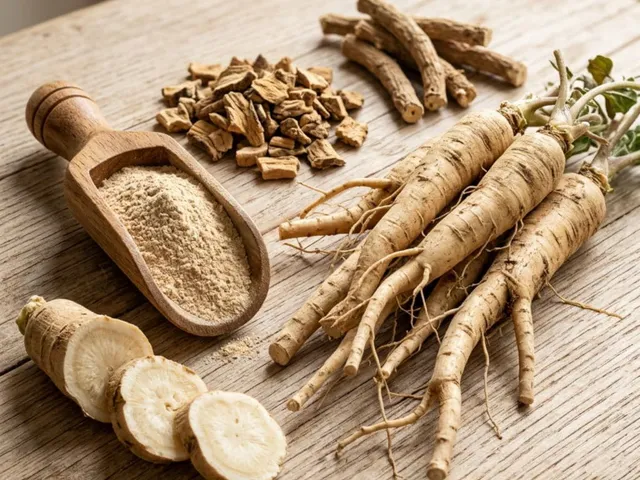
Punarnava, Boerhavia diffusa, is a spreading roadside plant with tiny pink flowers, and its name means “one that renews the body”. Ayurveda values it for supporting the body's water balance and the urinary system, which is why it is so often paired with gokshura.
In many villages the tender leaves are cooked as a leafy saag, so it is as much a food as a herb. As a supplement it comes as churna, tablets, capsules or part of a decoction. Practitioners suggest it for a puffy, heavy feeling in the body and for men who want comfortable urination as the years add up.
Punarnava is gentle, but because it supports the flow of fluids, men taking water tablets (diuretics) or BP medicines should ask their doctor before using it.
What is varuna and how does it help bladder comfort?
Varuna is the bark of Crateva nurvala, a medium-sized tree that grows near rivers and streams; its name links it to Varuna, the Vedic lord of the waters. Ayurveda uses the bark mainly for the bladder and the lower urinary tract, and it is a classical herb for keeping the urinary channels clear.
In Kerala, varuna leads Varunadi Kashayam, a traditional decoction for urinary comfort, and it also appears in tablets and capsules. Practitioners often combine varuna with gokshura and punarnava because the three cover flow, fluid balance and bladder comfort together.
Varuna is less familiar in North Indian homes than gokshura, so you will mostly find it in practitioner formulas rather than on the kitchen shelf. Ask your Ayurvedic doctor how it suits you before you begin.
Are pumpkin seeds good for the prostate?
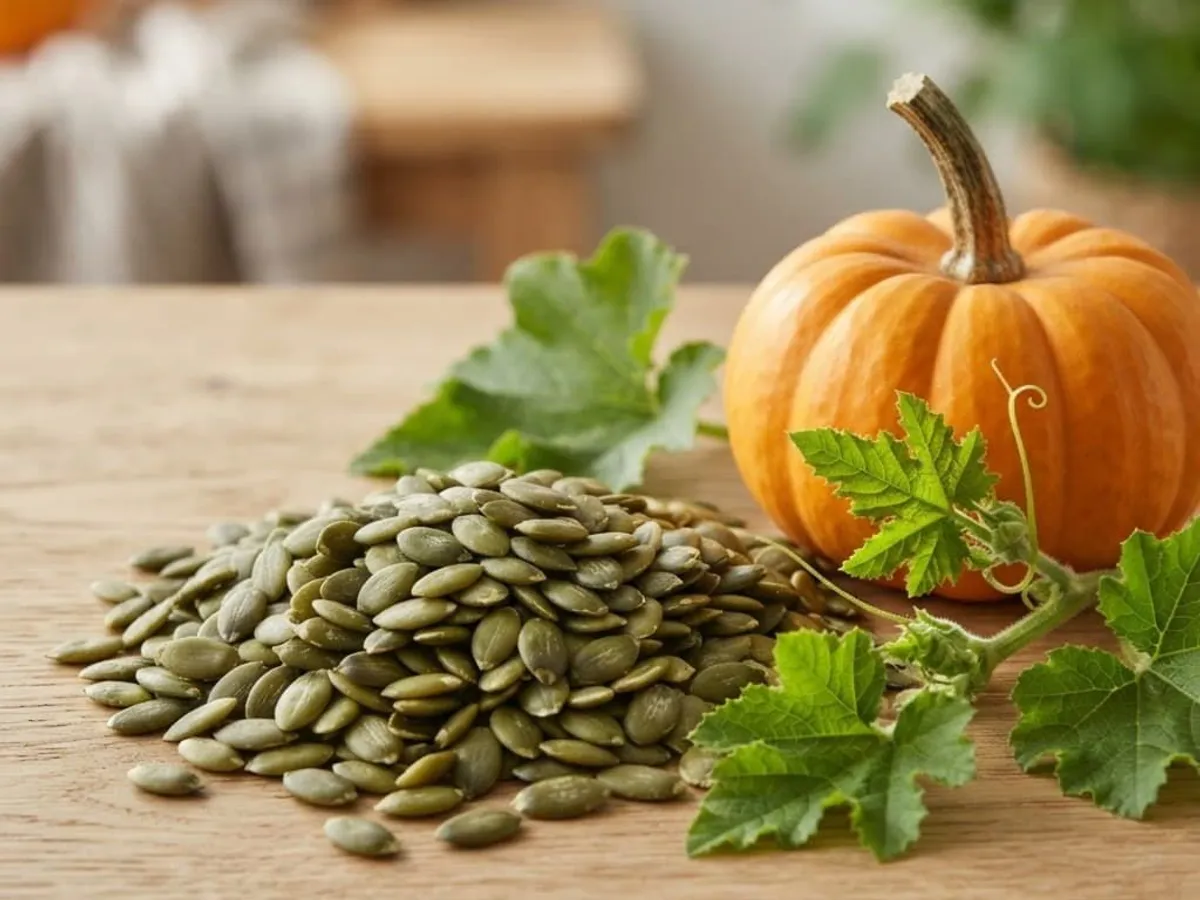
Pumpkin seeds are a simple kitchen food that many men add for prostate support. They are a natural source of zinc, a mineral the prostate holds in good amounts, along with magnesium, healthy fats and plant protein. Researchers have also studied pumpkin seed extract for men's urinary comfort.
In Indian homes the seeds are known as kaddu ke beej or magaz, and they are part of the char magaz mix used in sweets and thandai. Dry-roast a handful with a pinch of salt and they make a satisfying evening snack in place of fried namkeen.
- Sprinkle them on poha, upma or a bowl of curd.
- Grind them into a chutney with coriander and green chilli.
- Keep a small box in the car or office bag for long days.
- Pick plain or lightly salted seeds over heavily flavoured packets.
Why do men wake up at night to urinate?
Waking at night to pass urine, called nocturia, becomes common as men get older, and the prostate is one of the main reasons. The gland sits just below the bladder and wraps around the urethra, so as it slowly grows with age it can narrow the passage and keep the bladder from emptying fully.
The prostate is not the only cause. A big glass of water at bedtime, late-night chai or coffee, alcohol, high blood sugar, some BP medicines, poor sleep and swollen legs can all send you to the washroom at night. That is why a doctor's check is worth it if this happens most nights, rather than guessing.
Ayurveda adds its own reading: a cold, windy season and late, heavy dinners stir up vata and apana vayu, and many men notice more night trips in winter. Warmth, an early supper and the herbs above are the traditional answer.
Which daily habits help with night-time urination?
Small changes in the evening often make the biggest difference to night-time trips. They cost nothing, work alongside herbs and suit any Indian home.
Keep a simple diary for a week: what you drank in the evening and how many times you woke. It helps you see your own pattern and is very useful to show your doctor.
- Drink most of your water before evening and only sip small amounts in the two hours before bed.
- Have your last cup of chai or coffee by late afternoon.
- Keep alcohol and fizzy drinks to a minimum, especially at night.
- Pass urine just before bed, then try again a minute later to empty fully.
- Eat dinner early and light; go easy on salt and very spicy food at night.
- Keep bowels regular with fibre, fruit, warm water and, if needed, isabgol.
- Do not hold urine for long on drives or in meetings; stop when you need to.
- Walk daily and practise pelvic floor exercises; a physiotherapist can show you how.
How do you choose and take a herbal prostate formula?
Choose a formula that clearly states its purpose and its ingredients, and take it every day at the time the label suggests. Herbal support for the prostate works through steady daily use over weeks, not through a single dose.
Read the full ingredient list printed on the pack, especially if you have allergies or take other medicines. If you are already under a urologist's care, show them the product before you start, so that herbal support and your prescribed care fit together.
- Churna (powder): traditional and flexible, mixed with warm water; the taste is earthy.
- Tablets: easy to carry and to dose; many classical formulas come in this form.
- Capsules: tasteless and convenient for busy days at work or on the road.
- Kashayam (decoction): prepared or prescribed by an Ayurvedic practitioner.
When should you see a doctor about urination problems?
See a doctor or urologist without delay if you notice any blood in the urine, pain or burning, fever with urinary symptoms, or a sudden change in how you pass urine. These signs need a proper examination first, before any herbal support.
Even without warning signs, men from their fifties, or earlier if a father or brother had prostate trouble, can ask their doctor about a regular prostate check. An early conversation keeps you in control and lets herbal support play its part with full peace of mind.
- Blood in the urine or semen, even once.
- Pain or burning while passing urine, or pain in the lower back or belly.
- Fever and chills along with urinary trouble.
- Being unable to pass urine at all, or passing only drops: go to hospital urgently.
- A sudden change in flow, frequency or bladder control.
A note on safety
This article is for general wellbeing and is not a diagnosis. Urinary symptoms can have many causes, so see a doctor or urologist if you notice blood in the urine, pain, burning, fever, or a sudden change in flow or frequency, and go to hospital at once if you cannot pass urine. Herbal formulas are dietary supplements, not medicines. Talk to your doctor before using them if you take BP, diabetes, blood-thinning or water tablets, and never stop prescribed medicines.
Written by the Herbal360 editorial team — independent information about herbal and Ayurvedic supplements in India.