In short: Giloy is the heart-leaved vine Ayurveda names amrita, the nectar herb. It is traditionally used to support resilience in the monsoon and winter, a comfortable stomach and steady energy, and it sits inside many sugar-care blends. Take it as juice, churna or ghanvati in short spells and follow the label. If you have a liver or autoimmune condition or take medicines, ask a doctor first.
Key facts
- Also called
- Guduchi, amrita, gulvel (Marathi), Indian tinospora
- Botanical name
- Tinospora cordifolia
- Part used
- Mainly the stem; leaves in some home preparations
- Common forms
- Juice, churna (powder), ghanvati tablets, capsules, satva, kadha
- Ayurvedic view
- Bitter rasayana that helps balance all three doshas, especially pitta
- Usually taken
- In the morning before food, in short spells as the label directs
What is giloy?
Giloy is a climbing vine with heart-shaped leaves and a thick, grey-green stem that wraps itself around trees and boundary walls all over India. Botanists call it Tinospora cordifolia, and Ayurvedic texts know it as guduchi. Cut a piece of the stem and you will see a wheel-like pattern inside and taste a strong, clean bitterness.
Many families grow it at home and let it climb the neem tree in the courtyard. Vine grown on neem is called neem giloy, and grandmothers often prefer it, believing it picks up some of neem's character. The stem is the part used most, either fresh or dried.
The name amrita, the nectar of the gods, comes from a popular story in which drops of amrit fell to earth and giloy sprang up where they landed. The story shows how fondly Indian households have regarded this humble vine for generations.
Why does Ayurveda call giloy amrita?
Ayurveda places giloy among the rasayanas, herbs taken to support strength, vitality and graceful ageing. It is described as tridoshic, which means it helps keep vata, pitta and kapha in balance, with a special soft spot for pitta, the fiery dosha.
Its taste is mainly bitter (tikta) with an astringent edge. Classical texts describe its potency (virya) as warm and its post-digestive effect (vipaka) as sweet, a pairing that lets giloy support agni, the digestive fire, while still settling excess heat in the body.
In simple words, Ayurveda sees giloy as a herb that keeps the whole system in tune rather than one aimed at a single complaint. That is why it appears in so many classical preparations, from Guduchyadi kashayam to Amritarishta, and in countless household kadhas.
What are the main benefits of giloy?
People in India take giloy mostly for resilience, digestion and overall vitality. These uses come from Ayurveda and from home practice, and modern researchers have also studied the plant with growing interest.
- Seasonal resilience: a familiar companion in the monsoon and at the turn from summer to winter, when sniffles go around offices and schools.
- Digestion: its bitter taste is valued for supporting agni and a light, comfortable stomach after heavy meals.
- Energy and vitality: as a rasayana, it is taken for steady strength, especially after a tiring stretch of work or travel.
- Sugar-care blends: giloy is a regular ingredient in Ayurvedic formulas for people who keep an eye on their blood sugar.
- Skin and joints: Ayurveda links clear skin and easy joints to balanced pitta and vata, and giloy appears in blends for both.
- Pitta balance: many people reach for it in hot, humid weather when they feel overheated or irritable.

Is giloy good for immunity in the monsoon and at season change?
Yes, this is the most popular reason Indians reach for giloy. Ayurveda describes it as a herb that supports vyadhikshamatva, the body's natural strength to stay well, and households bring it out when the rains arrive or winter sets in.
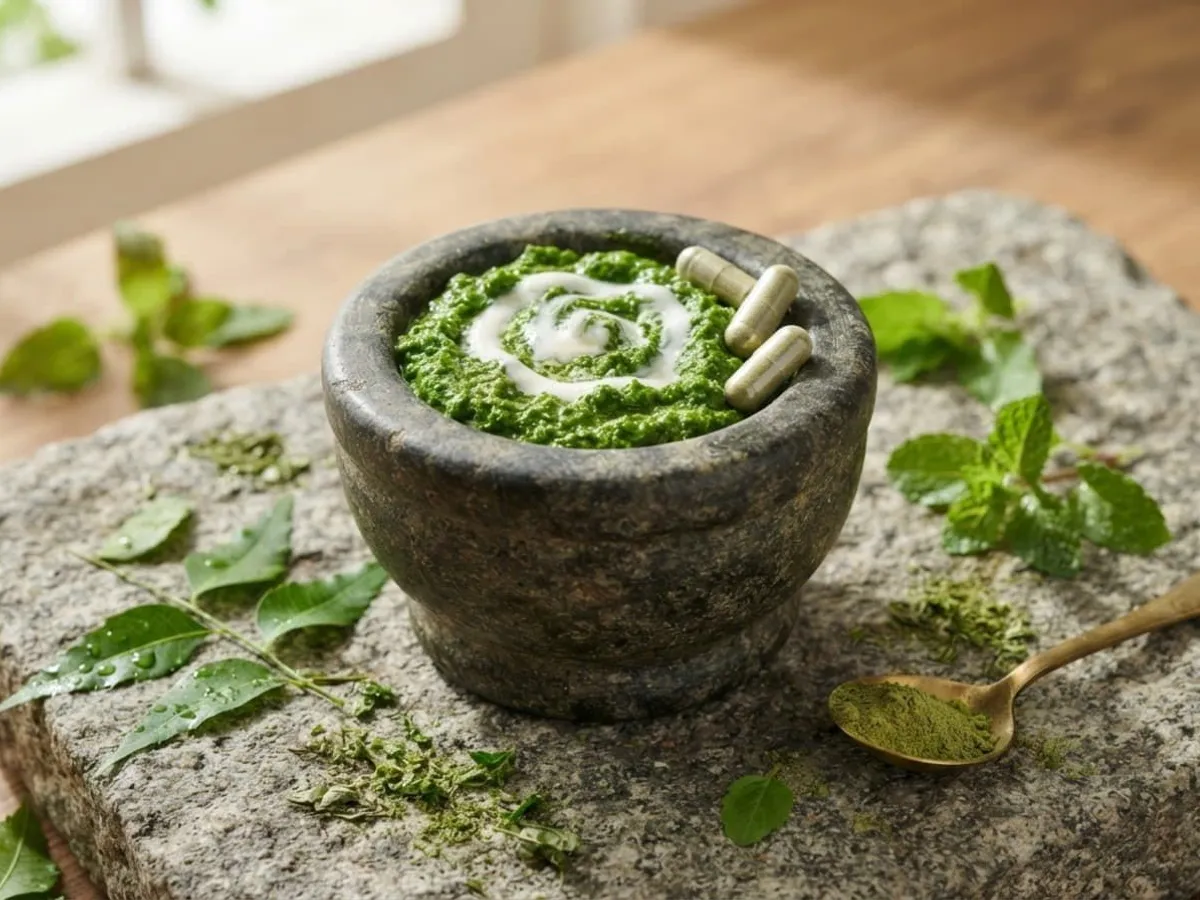
A classic home kadha combines a small piece of giloy stem with tulsi leaves, a slice of ginger, a few black peppercorns and a pinch of cinnamon, simmered in water until it reduces. Families sip it warm in the evening, sometimes with a little jaggery to soften the bitter edge.
Giloy does its part best when the basics are in place: warm home-cooked food, enough sleep, boiled or filtered water in the rainy season and clean hands after the commute. Think of it as one helper in the kitchen cupboard, next to haldi and tulsi.
What are the benefits of giloy juice, and how do you drink it?
Giloy juice is the quickest way to take the herb and the closest to the fresh stem. People choose it for seasonal resilience, digestion and a fresh start to the day, and many find it far easier than boiling a kadha every evening.
The usual way is a small amount, about two to four teaspoons, stirred into half a glass of lukewarm water and taken before breakfast. Follow the label or your Ayurvedic practitioner, because strengths differ from one bottle to another.
The taste is sharply bitter, so do not be surprised by the first sip. A squeeze of lemon or a little honey in lukewarm, not hot, water makes it friendlier. Close the bottle tightly after use and store it as the label says.
Giloy ghanvati, powder or capsule: which form should you choose?
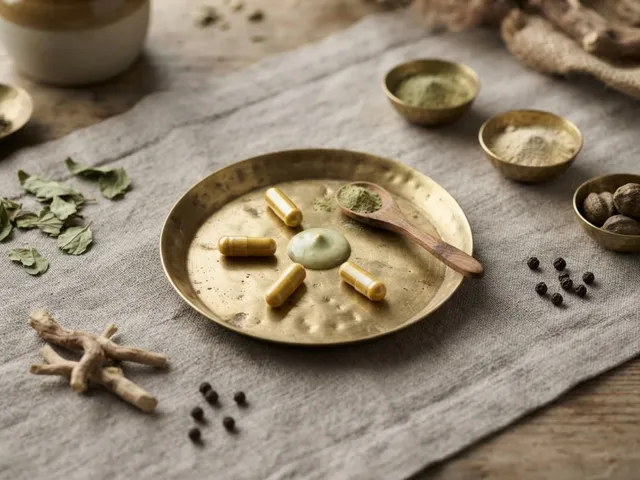
Choose the form that fits your day. Ghanvati tablets suit people who travel or dislike bitter tastes, churna suits those who enjoy a traditional kadha, and juice suits anyone who wants something quick at home.
- Ghanvati: tablets made from a concentrated water extract of the stem (ghana means dense), easy to carry and easy to swallow.
- Churna (powder): dried stem ground fine, mixed with warm water or honey, or boiled into a kadha.
- Juice (swarasa): ready to mix with water; bitter but fast.
- Capsules: powder or extract in a shell, convenient for office days and long journeys.
- Satva: the white starchy extract known as giloy satva, traditionally taken with a little ghee or honey.
Is a giloy tablet better than powder?
Neither is better for everyone; they simply suit different people. Tablets give you a fixed amount every time with no measuring and no bitter taste, which helps on busy weekdays and during travel.
Powder lets an Ayurvedic practitioner adjust the amount and the carrier to your constitution, for example honey for kapha, ghee for vata or plain warm water for pitta. If you like the ritual of making a kadha, powder or fresh stem will feel more natural.
Whichever you pick, look for the botanical name Tinospora cordifolia, the part used and the full ingredient list on the pack. A clear label, a sealed container and simple directions are good signs of a carefully made product.
How and when should you take giloy?
Most people take giloy once or twice a day, in the morning before breakfast and sometimes again before dinner. Common traditional amounts are about half to one teaspoon of churna, or one to two ghanvati tablets, with warm water; always follow the label or your Ayurvedic practitioner.
Giloy is usually taken in spells rather than all year round, for example through the monsoon or for a few weeks at the change of season, followed by a break. Ask your practitioner how long a spell suits you.
For fresh stem at home, wash a finger-length piece, crush it, boil it in two cups of water until about half remains, then strain and sip warm. Use stem only from a plant you know well or buy from a trusted seller, since look-alike vines can grow in the same places.
Can giloy support people watching their blood sugar?
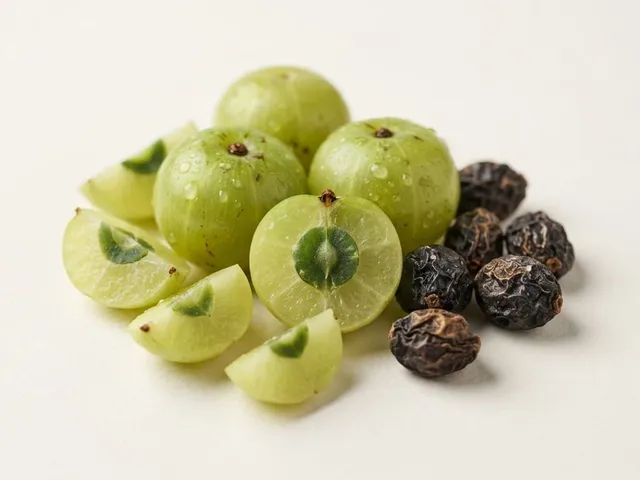
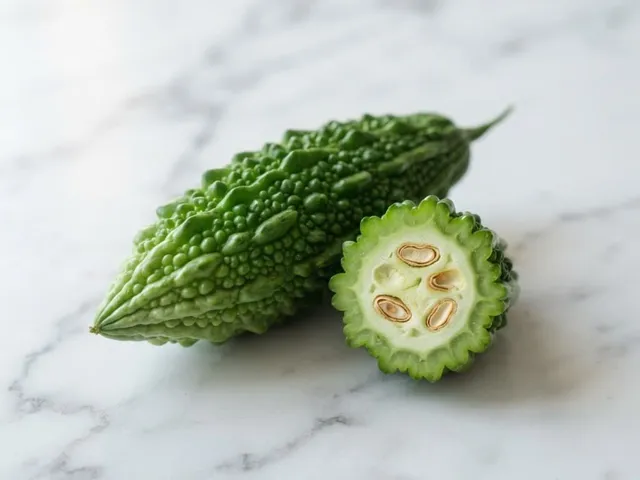
Ayurveda includes giloy in many formulas for people who watch their sugar, usually together with gudmar, jamun, karela, amla and vijaysar. In this tradition giloy is valued for supporting healthy metabolism and digestion as part of a team of herbs.
If you have diabetes and take tablets or insulin, speak to your doctor before adding giloy, because herbs and medicines together need a watchful eye. Keep taking what your doctor prescribed, check your readings as advised and tell your doctor about every herb you use.
For many families, a ready blend is simpler than buying and boiling five separate herbs. A well-labelled tablet that lists giloy among other sugar-care plants can fit neatly between breakfast and the office bus.
How does giloy fit into Indian daily life?
Giloy fits easily around chai, office and school. A spoon of juice in water before morning tea, a strip of tablets in your bag for the commute, or a pot of kadha on a rainy Sunday evening are all common ways families use it.
Many homes pair giloy with what is already in the kitchen: tulsi from the pot on the balcony, ginger, black pepper and a pinch of haldi. Around festivals, when sweets and late nights pile up, some people keep a short spell of giloy going to support digestion.
A note on safety
Giloy is a herbal supplement, not a medicine, and it does not take the place of anything your doctor has prescribed. If you live with a liver condition or an autoimmune condition, or you take any regular medicines, especially for diabetes, blood pressure or thyroid, please ask your doctor before starting giloy. Pregnant and breastfeeding women, children and anyone with surgery coming up should also check first. Keep taking your prescribed medicines, and if you notice anything unusual, stop and talk to your doctor.
Written by the Herbal360 editorial team — independent information about herbal and Ayurvedic supplements in India.