In short: Haldi doodh is milk simmered with turmeric, usually with black pepper, ginger or jaggery. Ayurveda calls turmeric warming and values it for the throat in damp weather, for comfortable joints and for a calm end to the day. Use about a quarter to half teaspoon of haldi per cup, drink it warm before bed, and check with your doctor if you take blood thinners or have surgery coming up.
Key facts
- Also called
- Turmeric milk, golden milk, haldi wala doodh, manjal paal (Tamil)
- Botanical name
- Curcuma longa (haldi, haridra)
- Part used
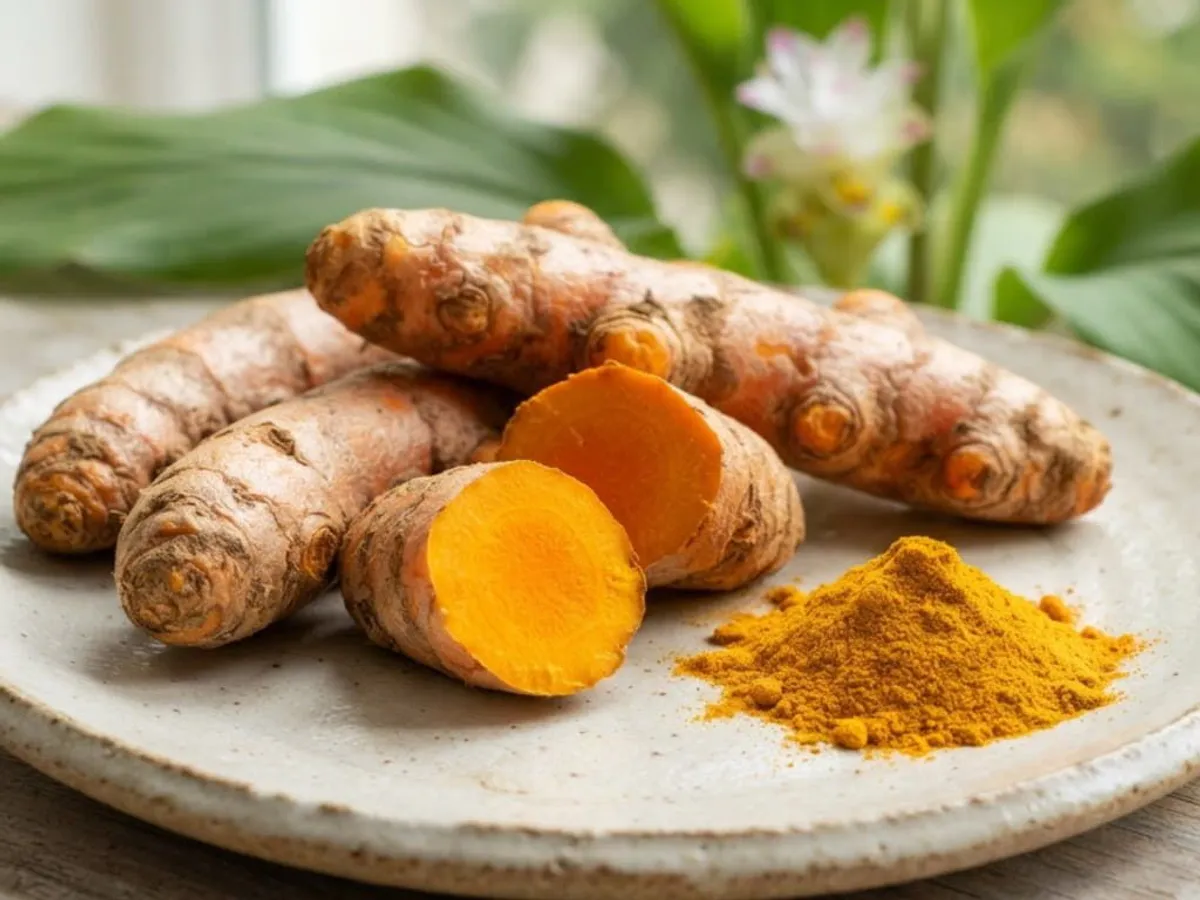
- Rhizome (the root), fresh or dried and ground
- Common forms
- Kitchen powder, fresh root, turmeric capsules and tablets, ready golden milk mixes
- Ayurvedic view
- Warming (ushna), bitter and pungent; valued for balancing kapha and vata
- Usually taken
- Warm at bedtime, about a quarter to half teaspoon of haldi per cup of milk
What is haldi doodh?
Haldi doodh is simply milk warmed with turmeric. Across India it goes by many names: haldi wala doodh in the north, manjal paal in Tamil Nadu, pasupu paalu in Andhra. Almost every family has its own version, with ginger, a crushed cardamom pod or a spoon of ghee.
The drink is far older than any packaged wellness trend. Grandmothers made it when a child came home soaked from monsoon cricket, when someone scraped a knee, or when an elder woke up with stiff legs on a winter morning. Cafés now sell the same cup as golden milk, but the home recipe is still the simplest and the best.
How does Ayurveda see turmeric?
Ayurveda describes haldi as warming (ushna), with a bitter and pungent taste. It is considered light and drying, so it is traditionally used to balance kapha, the heavy, damp quality that builds up in the rainy and winter months. Its warmth is also seen as kind to vata, the dry and restless quality linked with stiffness.
Classical texts know turmeric as haridra and mention it for the skin, the throat, digestion and general strength. Milk, in turn, is seen as nourishing and calming. Together they balance each other: the softness of milk tempers the sharpness of the spice, which is why Ayurveda places this drink in the evening.
Modern researchers have taken a keen interest in curcumin, the golden pigment of turmeric, and have studied it for joint comfort and the body's natural balance. That interest sits comfortably beside centuries of everyday use in Indian kitchens.
What are the benefits of haldi doodh?
People drink haldi doodh for overall comfort rather than for one single result. These are the uses it is traditionally valued for in Indian homes:
- A soothing, warming drink for the throat in the cough-and-cold season
- A cosy end to the day that many people find helps them settle for sleep
- Comfortable joints and easier movement, especially on cold or damp mornings
- Digestive comfort after a heavy dinner, thanks to the warming spices
- A healthy glow: haldi has a place in skin care, from the haldi ceremony before weddings onwards
- Everyday wellbeing and the body's own resilience when the seasons change

How do you make haldi doodh at home?
Haldi doodh kaise banaye? It takes about five minutes and uses things already in your masala dabba. The steps below make one cup.
Simmering is the secret. Raw powder stirred into hot milk tastes chalky and settles at the bottom, while a few minutes on the flame gives a smooth, golden drink. Ayurveda also prefers honey to be added only to warm, not boiling, liquids.
- Pour one cup of milk into a small pan; add a splash of water if you like it lighter.
- Add about a quarter to half teaspoon of haldi powder, or a thumb-sized piece of fresh turmeric root, grated.
- Add a small pinch of freshly crushed black pepper and, if you like, a slice of ginger or a crushed cardamom pod.
- Bring it to a gentle boil, then simmer on a low flame for three to four minutes, stirring so the haldi does not stick.
- Switch off the flame, strain if you used fresh root, and stir in a little jaggery, or honey once the milk is only warm.
- Add a few drops of ghee if you enjoy a richer taste, and sip it slowly.
Is haldi doodh good in the cough and cold season?
Yes, this is the use most Indian families know best. When the monsoon sets in or the winter wind turns sharp, a warm glass of haldi doodh at night is the classic home comfort for a scratchy throat and a heavy, stuffy feeling. Ayurveda links this season with excess kapha, and warming haldi with pepper and ginger is its traditional answer.
The warm milk soothes by itself, and the spices add their comforting heat. Many people also gargle with warm water, a pinch of haldi and a pinch of salt, another habit handed down by grandmothers.
Turmeric milk supports comfort; it does not take the place of proper care when you are unwell. High fever, breathlessness, a cough that lasts more than a couple of weeks, or any illness in a small child or an elderly person needs a doctor.
Why add black pepper to turmeric?
Black pepper (kali mirch) is the traditional partner of haldi. Ayurveda counts pepper among the spices that kindle agni, the digestive fire, and pairs it with other herbs so the body takes them up well. That is why so many home recipes put the two together.
Modern researchers have studied piperine, the compound that gives pepper its bite, alongside curcumin, and have looked at how pepper helps the body absorb turmeric's golden pigment. A small pinch is enough: you should taste warmth, not burn.
A little fat helps too. Turmeric's active compounds mix better with fat than with water, which is one more reason the traditional recipe uses whole milk or a few drops of ghee.
Is turmeric water good in the morning?
Turmeric water is the lighter cousin of haldi doodh. You stir a pinch to a quarter teaspoon of haldi into a glass of warm water, often with a squeeze of lemon and a pinch of pepper, and sip it in the morning. People who avoid dairy or want a lighter start to the day often prefer it.
Ayurveda sees warm water itself as kind to digestion, and haldi adds its warming, bitter note. Some people find it a pleasant way to wake up the stomach before their first cup of chai.
If you have acidity or a sensitive stomach, turmeric water on an empty stomach may feel sharp. In that case take it after a light breakfast, or stay with haldi doodh in the evening, which most people find gentler.
Can turmeric milk support comfortable joints?
Turmeric is one of the herbs Ayurveda turns to most for the joints, and a warm glass of haldi doodh is a familiar evening comfort for stiff knees and a tired back. Its warmth is seen as balancing vata, the dry, cold quality that Ayurveda connects with creaking joints.
For joint support, Ayurveda rarely relies on haldi alone. Classic joint formulas combine it with shallaki, guggul, nirgundi and ginger, each with its own role. Our guide to shallaki and guggul explains these herbs, and the joint care section of our catalogue shows ready formulas built on them.
Movement matters as much as the cup. A morning walk, gentle stretching or yoga, and warm, freshly cooked food all help the joints stay supple through the year.
When and how much haldi doodh should you drink?
Most people drink one cup in the evening, about half an hour before bed. Use about a quarter to half teaspoon of haldi per cup; more is not better, because too much turmeric feels heavy on the stomach and tastes bitter. For turmeric capsules or tablets, follow the label or your Ayurvedic practitioner.
In the cough-and-cold season some families add a second, smaller cup in the morning. Children usually get a milder version with just a pinch of haldi and a little jaggery. Pregnant women can enjoy food amounts of haldi in milk but should check with their doctor before any turmeric supplement.
Listen to your body. If you notice heat, acidity or loose stools, reduce the haldi or take a break for a few days.
How do you choose good haldi for turmeric milk?
Good haldi powder has a deep golden-orange colour, a warm, earthy smell and a slightly bitter taste. Buy it from a shop you trust, keep it in an airtight steel or glass box away from sunlight, and use it within a few months for the best flavour.
Many families still buy whole dried turmeric fingers and get them ground at the local chakki. Erode and Salem in Tamil Nadu and Lakadong in Meghalaya are famous for their turmeric. In winter, fresh roots appear in the sabzi market; grated into milk, they give a brighter, juicier taste.
If you prefer capsules, choose a product whose label clearly names turmeric and the other herbs, explains how to take it, and comes from a seller with a clear contact and cash on delivery.
A note on safety
Haldi in food suits most people, but concentrated turmeric and large amounts need care. Talk to your doctor first if you take blood thinners or medicines for diabetes or blood pressure, if you have gallstones, frequent acidity or a liver condition, if you are pregnant or breastfeeding, and before giving supplements to children. Tell your surgeon about any turmeric supplement before a planned operation and pause it as advised. Turmeric milk is a supportive home drink, not a medicine: keep taking your prescribed medicines and see a doctor if symptoms continue.
Written by the Herbal360 editorial team — independent information about herbal and Ayurvedic supplements in India.