In short: In Ayurveda, vata (air and space) moves things, pitta (fire and water) transforms them and kapha (earth and water) holds them together. The mix you are born with is your prakriti; your present state is vikriti. Signs such as dry skin, acidity or heaviness hint which dosha is rising. Tastes on your plate, seasonal choices and a steady daily rhythm called dinacharya help bring it back.
Key facts
- In Hindi
- Vaat, pitt aur kaph, together called tridosha (त्रिदोष)
- Vata
- Space + air: movement, breath, nerves, elimination
- Pitta
- Fire + water: digestion, metabolism, body heat, sharpness
- Kapha
- Earth + water: structure, strength, lubrication, calm
- Body type
- Prakriti, the mix you are born with
- Daily rhythm
- Dinacharya, the Ayurvedic daily habits
What do vata, pitta and kapha mean?
The three doshas are Ayurveda's way of describing the forces that run the body. The Sanskrit word dosha is often explained as “that which can go out of balance”, which already shows how Ayurveda thinks: health is a balance you keep, not a fixed state you own.
Each dosha is built from two of the five great elements, the panchamahabhuta. Vata combines space (akasha) and air (vayu), so it is light, dry, cold and always moving. Pitta combines fire (agni) and water (jala), so it is hot, sharp and slightly oily. Kapha combines earth (prithvi) and water, so it is heavy, slow, cool and stable.
In everyday terms, vata is the wind that carries breath, thought and nerve signals; pitta is the inner fire that digests food and ideas; kapha is the earth and water that build muscle, keep joints oiled and give you a calm, steady mind. You need all three every single day.
What is prakriti, your Ayurvedic body type?
Prakriti is the unique mix of vata, pitta and kapha you are born with, and Ayurveda says it stays with you for life. Most people are led by one or two doshas, so you will hear types such as vata-pitta or pitta-kapha. A few people carry all three in roughly equal measure.
Vikriti is your present state, the dosha that has risen because of season, food, stress, travel or age. A calm kapha person can feel scattered and anxious after weeks of night shifts and travel, which is vata rising on top of a kapha nature. Ayurvedic care always aims to bring vikriti back towards prakriti.
Online quizzes are a fun starting point, but a trained Ayurvedic practitioner reads prakriti more carefully, through pulse (nadi pariksha), tongue, skin, build, appetite, sleep and temperament. See a quiz result as a first conversation with yourself rather than a final answer.
What are the signs of a vata body type?
Vata types are usually slim, quick and creative, with energy that comes in bursts. They talk fast, think fast and tire of the same thing quickly. Hands and feet often feel cold, and skin and hair tend to be dry.
Vata people shine as artists, teachers and planners. They do best with warmth, regular meals and enough rest, because irregular days blow their energy around like a kite in the wind.
- Light frame; finds it hard to gain weight
- Changeable appetite; skips meals and then feels shaky
- Light sleep, easily woken by sounds
- Loves warm weather, dislikes wind and cold
- Enthusiastic and imaginative, but prone to worry when tired

How do you recognise a pitta body type?
Pitta types usually have a medium, athletic build, a strong appetite and a sharp, focused mind. They are natural leaders who like goals and deadlines. They feel the heat more than others and may turn irritable if a meal is late.
A pitta person is the friend who organises the trip and keeps everyone on time. Their task is to keep that fire useful rather than scorching, with cooling foods, breaks from screens and time for play.
- Medium build that gains and loses weight fairly easily
- Strong digestion and real hunger at mealtimes
- Warm body, sweats readily, prefers cool weather
- Skin that flushes, freckles or breaks out in summer
- Clear, sharp speech; can be impatient or critical under stress
What are the traits of a kapha body type?
Kapha types have a solid, sturdy build, strong stamina and a calm, loving nature. They are the steady ones in the family who remember every birthday and rarely panic. Their skin is often smooth and soft, and their hair thick.
Kapha brings strength and patience to everything it touches. It needs movement, variety and lighter food to stay bright, otherwise steadiness can slide into sluggishness.
- Broad frame; gains weight easily and loses it slowly
- Steady appetite but slow digestion; can skip a meal comfortably
- Deep, long sleep and a slow start in the morning
- Dislikes damp, cold weather; prone to a heavy feeling in spring
- Patient, loyal and forgiving, but can resist change
What are the signs of dosha imbalance?
An imbalance usually shows up first as small, everyday discomforts. Ayurveda reads these signs as early messages that one dosha has grown too strong, and noticing them early lets you adjust food and habits before they settle in.
These signs are pointers, not a diagnosis. If a complaint is strong, keeps coming back or worries you, see a doctor first and use Ayurvedic ideas alongside the advice you receive.
- Vata rising: dry skin, cracking joints, gas and bloating, constipation, restless sleep, worry, feeling cold.
- Pitta rising: acidity and heartburn, loose stools, skin rashes, burning eyes, a short temper, feeling overheated.
- Kapha rising: heaviness, slow digestion, weight gain, a blocked nose, oversleeping, low motivation.
How can you balance vata, pitta and kapha with food?
Food is the first tool in Ayurveda, and the six tastes, or shad rasa, are the key: sweet, sour, salty, pungent, bitter and astringent. Each taste raises some doshas and calms others, so you can steer your plate by taste rather than by counting.
Seasons matter too, and Ayurveda calls this ritucharya. Vata tends to rise in the windy, damp monsoon, pitta in the hot days of sharad after the rains, and kapha in late winter and spring. Grandmothers who serve ginger tea in the rains and cooling buttermilk in May follow this logic without ever naming it.
- Vata calms with sweet, sour and salty tastes and warm, moist, grounding food: khichdi with ghee, soups, cooked root vegetables, soaked almonds, warm milk.
- Pitta calms with sweet, bitter and astringent tastes and cooling food: rice, moong dal, cucumber, lauki, coconut water, coriander, fennel, sweet fruits.
- Kapha calms with pungent, bitter and astringent tastes and light, warm, dry food: bajra, jowar, barley, steamed vegetables, ginger, black pepper, fewer sweets and fried dishes.
What is dinacharya, the Ayurvedic daily rhythm?
Dinacharya means “daily conduct”, the set of habits Ayurveda suggests to keep all three doshas steady. Its core is simple: wake, eat and sleep at regular times that follow the sun. The body loves rhythm, and a predictable day calms vata in particular.
You do not need to adopt everything at once. Pick two habits that feel easy, keep them for a month, then add one more. Small steps that last are more useful than a perfect plan that breaks in the first week.
- Wake early, ideally before sunrise, and drink a glass of warm water.
- Scrape the tongue and rinse the mouth; some people also swish sesame oil, a habit called gandusha.
- Massage the body with warm oil before bathing, called abhyanga; sesame suits vata, coconut suits pitta.
- Move every day: yoga, a brisk walk or a game of cricket in the park.
- Make lunch the main meal, when digestive fire is said to be strongest.
- Finish a light dinner a few hours before bed and aim to sleep by about ten.
How do people talk about vata, pitta and kapha in Hindi?
In Hindi-speaking homes the doshas are part of everyday speech, even for people who have never opened an Ayurvedic text. You will hear vaat, pitt and kaph, and the three together are called tridosha.
These phrases show how deeply the dosha idea lives in Indian kitchens. When your mother refuses to give you curd at night during a cold, she is guarding against kapha, whether she names it or not.
- “Vaat badh gaya hai”: vata has risen, often said of gas, joint aches or restlessness.
- “Pitt ki shikayat”: a pitta complaint, used for acidity, body heat or mouth ulcers.
- “Kaph jam gaya hai”: kapha has settled, said of a congested chest or a heavy cold.
- “Vaayu”: another word for vata, as in “vaayu ka dard”, a wind-related ache.
- “Thandi” and “garam” foods: the home language for cooling and heating foods that balance pitta and vata.
Where do herbs fit into dosha balance?
Herbs come after food and daily habits in Ayurveda, as gentle supporters of the balance you are already building. Each herb is chosen by its taste and its effect on the doshas, which is why the same herb may suit one person better than another.
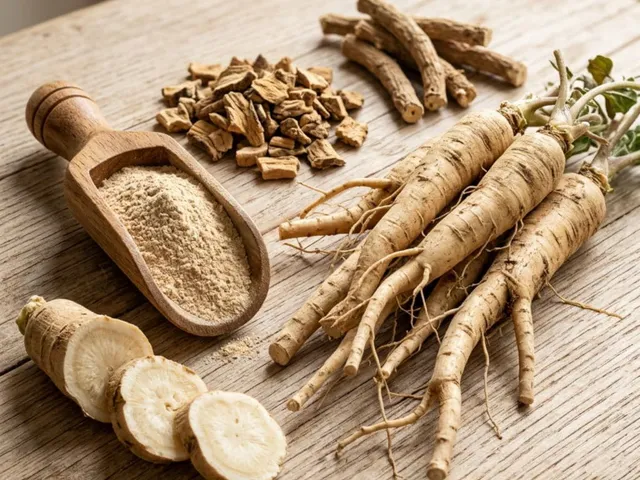
Ashwagandha, warm and grounding, is a favourite for vata-type tiredness and restless sleep. Triphala, the blend of amla, bibhitaki and haritaki, is valued as tridoshic, meaning it suits all three doshas, and is often taken at night for digestion. Haldi doodh, warm turmeric milk, is a classic of the kapha-heavy cold season, and our blog has a separate guide to each of these.
A good Ayurvedic practitioner will match herbs to your prakriti and present state, and will also ask about medicines you already take. That personal fit is the heart of Ayurveda.
A note on safety
Dosha ideas are a way to understand your body and build healthier daily habits; they are not a diagnosis. If you have ongoing pain, fever, unexplained weight change, breathlessness, blood in stool or urine, or any symptom that worries you, see a doctor first. Pregnant or breastfeeding women, children and people on medicines for diabetes, BP, thyroid or blood thinning should talk to their doctor before starting herbs. Do not stop prescribed medicines; Ayurvedic advice works alongside them.
Written by the Herbal360 editorial team — independent information about herbal and Ayurvedic supplements in India.