In short: Shallaki and guggul are fragrant tree resins at the heart of Ayurvedic joint care. Nirgundi is used as an oil or warm leaf pack on stiff areas, and hadjod is the “bone joiner” vine. Take them as tablets or ready formulas following the label, keep moving every day, and talk to your doctor first if you take blood thinners or thyroid medicine, or have surgery planned.
Key facts
- Main herbs
- Shallaki (salai guggul), guggul, nirgundi, hadjod
- Botanical names
- Boswellia serrata, Commiphora mukul, Vitex negundo, Cissus quadrangularis
- Parts used
- Gum resins (shallaki, guggul), leaves and oil (nirgundi), stem (hadjod)
- Common forms
- Tablets, capsules, classical guggulu tablets, massage oils and balms
- Ayurvedic view
- Joint discomfort as vata in the sandhi; warming, vata-balancing herbs
- Usually taken
- Tablets as the label advises, after meals; oil massaged in warm before a bath
What are shallaki and guggul?
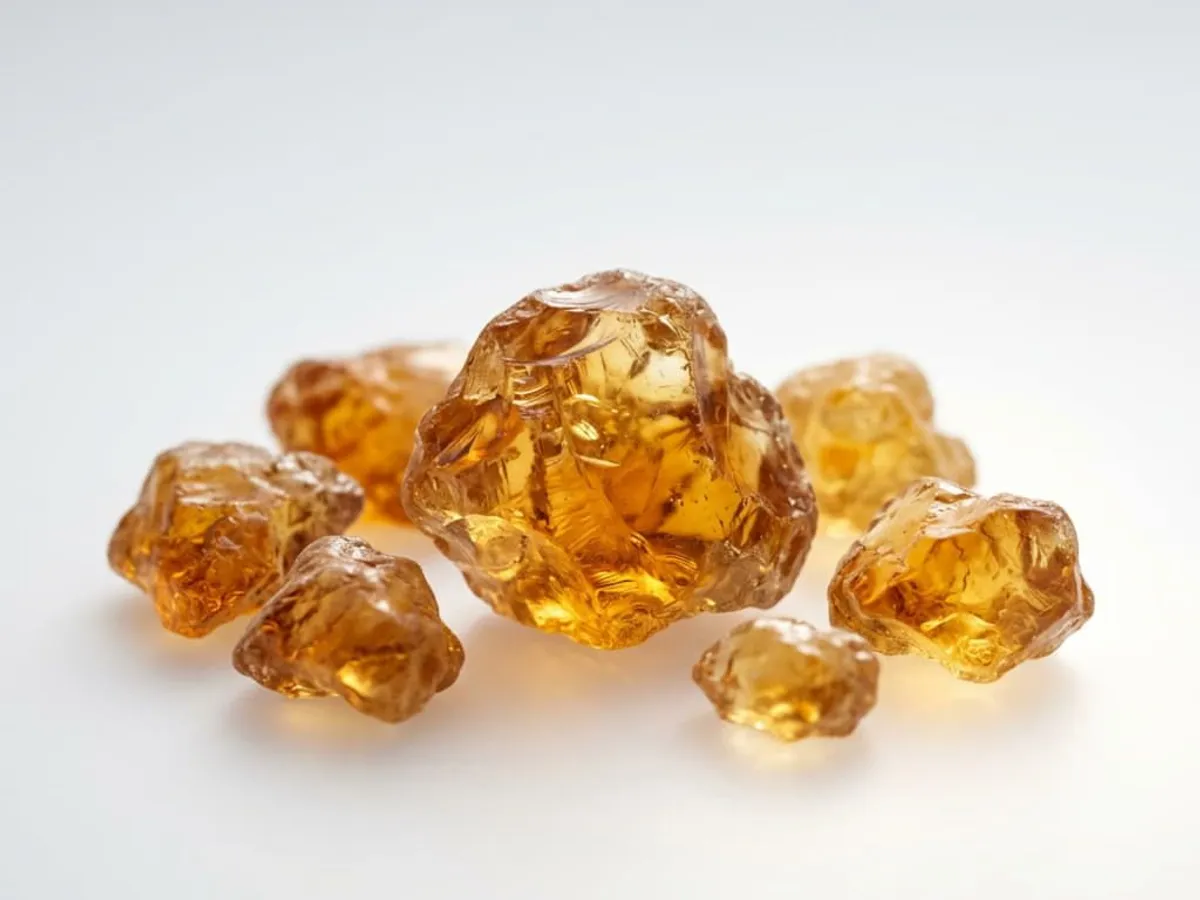
Shallaki and guggul are two aromatic gum resins, and together they form the backbone of Ayurvedic joint care. Shallaki comes from the salai tree (Boswellia serrata), which grows in the dry hills of Madhya Pradesh, Rajasthan, Gujarat and the Deccan; it is also known as Indian frankincense. Guggul comes from Commiphora mukul, a thorny shrub of the Rajasthan and Gujarat deserts.
Both are collected in a similar way. The bark is gently cut, and the resin seeps out and hardens into golden or brownish tears, which are cleaned, purified and made into tablets. Their smoky fragrance is also familiar from dhoop and havan samagri.
Ayurveda often pairs the two resins with nirgundi and hadjod, so this guide covers all four.
How does Ayurveda look at joint pain?
Ayurveda sees most joint stiffness as a vata matter. Vata is the dry, cold, light and mobile quality in the body; when it builds up in the sandhi (joints), Ayurveda describes creaking, dryness and stiffness, a pattern called sandhivata. Age, cold weather, irregular meals, long travel and too little rest are all said to aggravate vata.
Ayurveda also speaks of ama, the undigested residue of weak digestion, which can make joints feel heavy and stiff, especially in the morning and in damp weather. That is why Ayurvedic joint care looks at the stomach as much as at the knees.
The approach is threefold: warming, vata-balancing herbs such as shallaki and guggul; oiling and warmth from outside with herbs like nirgundi; and food and habits that keep digestion strong. Our guide to vata, pitta and kapha explains the doshas in more detail.
What are the benefits of shallaki?
Shallaki is valued in Ayurveda for comfortable, flexible joints and easy movement. It is one of the herbs practitioners turn to most often for the knees, and many people take it for the stiffness that comes with age, a desk job or years of hard physical work.
Modern researchers have studied boswellic acids, the natural compounds in shallaki resin, for joint comfort and mobility. That interest has made shallaki one of the best-known Ayurvedic herbs far beyond India.
People commonly take shallaki for:
- Knee and hip stiffness, especially first thing in the morning
- Comfort in the lower back and neck after long hours of sitting or driving
- Easier movement for people who walk, garden or play sport in their later years
- Joint comfort through the cold, damp months when vata and kapha rise
What is a shallaki tablet used for?
A shallaki tablet is the purified resin, or an extract of it, pressed into a convenient dose. It is used for the same purpose as the resin itself: supporting comfortable joints and flexible movement. Tablets and capsules have largely replaced raw resin at home because they are easier to measure and swallow.
Some products contain shallaki alone; others combine it with guggul, turmeric, ginger or nirgundi. Take it as the label or your Ayurvedic practitioner advises, usually with water after meals, because resins can feel heavy on an empty stomach.
Shallaki is a steady herb. Most people take it daily over weeks, together with walking and stretching, and judge it by how their mornings and the stairs feel.
What are the benefits of guggul?
Guggul holds a special place in classical Ayurveda, where it is valued for the joints, for a healthy weight and for the body's natural balance. Its warming, penetrating nature is said to reach the deeper tissues and ease stiffness.
Guggul is rarely taken raw. It is first purified (shodhana), often by boiling with triphala or other herbs, and then made into classical tablets called guggulu. Yogaraj guggulu is the best-known traditional joint formula, and triphala guggulu blends the resin with triphala.
Because guggul is strong and warming, it is taken in measured amounts for a set period, ideally as your Ayurvedic practitioner advises. People with a sensitive stomach usually take it after food with warm water.
How is nirgundi oil used for joints?
Nirgundi (Vitex negundo), the five-leaved chaste tree, grows along field edges and village lanes across India. Its aromatic leaves are a favourite of Ayurveda for care from the outside, and nirgundi oil (nirgundi taila) is massaged into stiff knees, shoulders and backs.
To use it, warm a little oil by standing the bottle in hot water, massage it gently into the area with circular strokes for a few minutes, and leave it on for a while before a warm bath. Grandmothers also roasted nirgundi leaves lightly on a tawa and tied them, still warm, over sore joints.
Nirgundi leaf also appears in some formulas taken by mouth. Never apply oil on broken skin, and do a small patch test first if your skin is sensitive.
What is hadjod and why is it called the bone joiner?
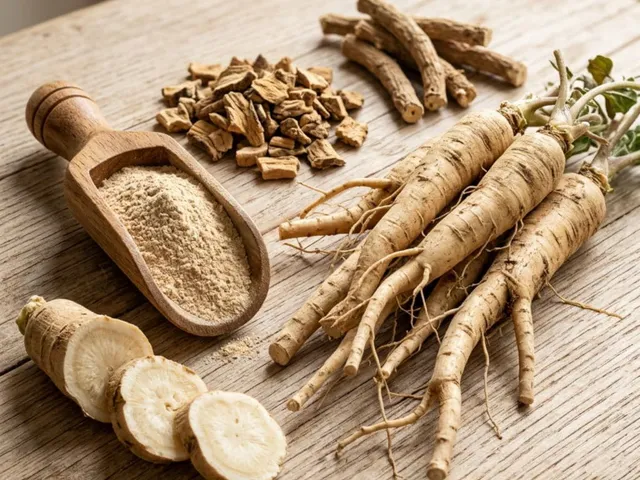
Hadjod (Cissus quadrangularis) is a fleshy climbing vine with four-angled stems, easy to spot on fences in rural India. Its Hindi name means “bone joiner”, which shows how highly traditional healers have valued it for strong bones and the tissues around them.
In Sanskrit it is called asthishrinkhala, the “chain of bones”. In Tamil Nadu its tender stems go into pirandai thuvaiyal, a tangy chutney, and in Ayurvedic formulas it often sits beside shallaki and guggul for overall joint and bone support.
How do warmth, movement and food help the joints?
Herbs work best when the rest of your day supports the joints too, and Ayurveda's advice here is practical and very Indian. Keep in mind that sudden swelling, redness or heat in a joint, an injury, or pain that wakes you at night needs a doctor, not only home care.
These everyday habits help the joints stay supple:
- Stay active with a daily walk, gentle yoga stretches or simple knee exercises
- Keep the joints warm in the monsoon and winter; a shawl over the knees on a cold bus ride helps
- Eat warm, freshly cooked food with ginger, haldi, jeera and a little ghee
- Go easy on cold drinks, stale leftovers, very dry snacks and late heavy dinners, which Ayurveda says aggravate vata and ama
- Enjoy an oil massage (abhyanga) with warm sesame or nirgundi oil before bathing
- Keep a healthy weight so the knees carry a lighter load
Single herb or ready formula: which should you choose?
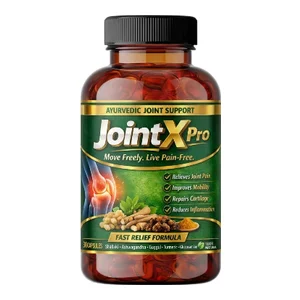
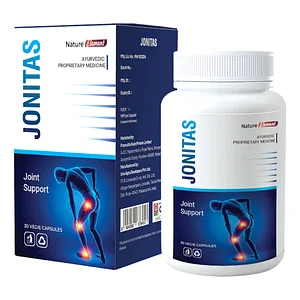
If you want to explore one herb, a shallaki tablet or a bottle of nirgundi oil is a simple start. Many people, though, prefer a ready formula, because Ayurveda itself rarely uses a single joint herb; classical joint preparations combine resins, warming spices and bone-supporting plants.
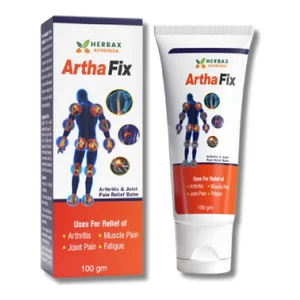
When choosing, read the label: the herbs should be named clearly, with how many capsules to take and when. Buy from a seller with a clear contact and cash on delivery. If you also want something to massage in, an external balm pairs naturally with capsules.
Give your choice time and pair it with daily movement. Joint comfort is built steadily, one walk and one warm meal at a time.
A note on safety
Shallaki, guggul and nirgundi are supplements that support joint comfort; they are not medicines and do not replace your doctor's care. Talk to your doctor first if you take blood thinners or medicines for thyroid, diabetes or cholesterol, if you are pregnant or breastfeeding, or if you have liver, kidney or stomach problems. Tell your surgeon about guggul or turmeric before any planned surgery. See a doctor for sudden swelling, redness, a hot joint, an injury or fever with joint pain, and keep taking your prescribed medicines.
Written by the Herbal360 editorial team — independent information about herbal and Ayurvedic supplements in India.